- Home
- Machinery
- Metal Spinning Machines
- Flow Forming Machines
- Wheel Forming Machines
- Shear Forming Machines
- Necking-In / Closing Machines
- Rotary Forging Machines
- Pulley Forming Machines
- Trimming, Beading,… Machines
- Circular and Ring Shears
- Custom Machines and R&D
- Robotics, Loading & Unloading
- Upgrades – Used – Retrofits
- DENN Software / Technologies
- Machinery Technologies
- Applications & Industries
- Lubricants
- News & Updates
- Contact / Info / Service

Innovation and Experience in building metal spinning and flow forming machines - DENN
Innovation and Experience in building metal spinning and flow forming machines - DENN
Top 10 Best Deep Drawing Steel Techniques for Superior Metal Forming
Deep drawing steel is a vital process in the metal forming industry, renowned for its ability to create complex shapes from flat sheets of metal with remarkable efficiency and strength. Experts in the field, such as Dr. John H. Smith, a leading metallurgist with over two decades of experience, emphasize the importance of mastering deep drawing techniques. He once stated, “The effectiveness of deep drawing steel processes can significantly enhance product quality and reduce production costs when executed with precision.”
In this evolving industry, the demand for high-quality metal components continues to rise, compelling manufacturers to explore the best techniques for deep drawing. Understanding the nuances of this process not only aids in achieving superior formability but also plays a crucial role in ensuring the longevity and reliability of the final products. This article highlights the top ten techniques for optimizing deep drawing steel, providing valuable insights for professionals seeking to elevate their production methodologies and stay competitive in the market.
As we delve into these techniques, it will become evident that each method offers unique benefits and challenges. Through expert knowledge and innovative approaches, mastering deep drawing steel is essential for crafting exceptional metal parts tailored to meet the evolving needs of various industries.
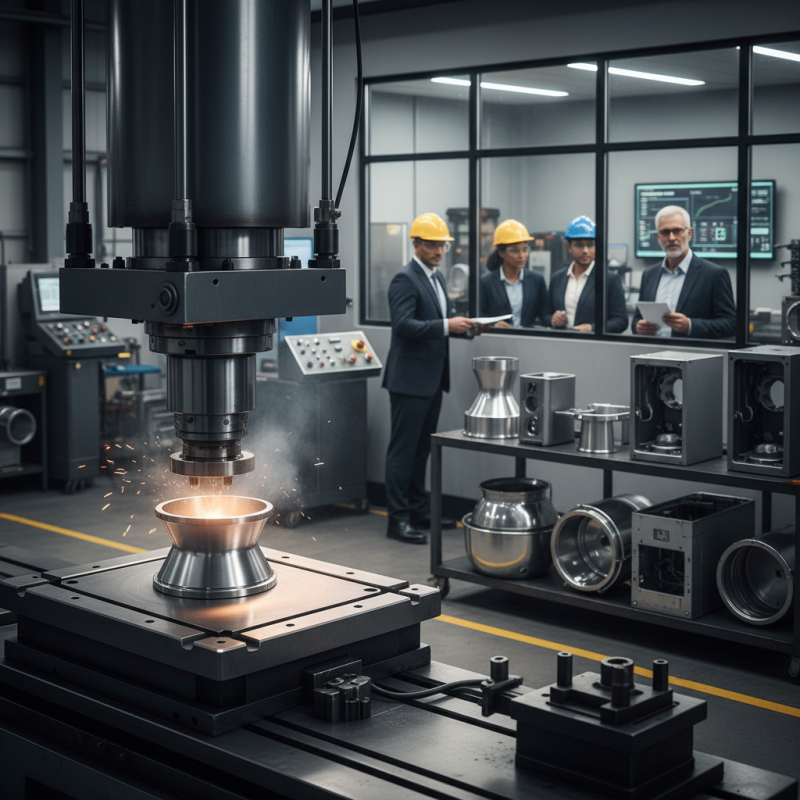
Table of Contents
[Hide]
Understanding Deep Drawing Steel and Its Importance in Metal Forming
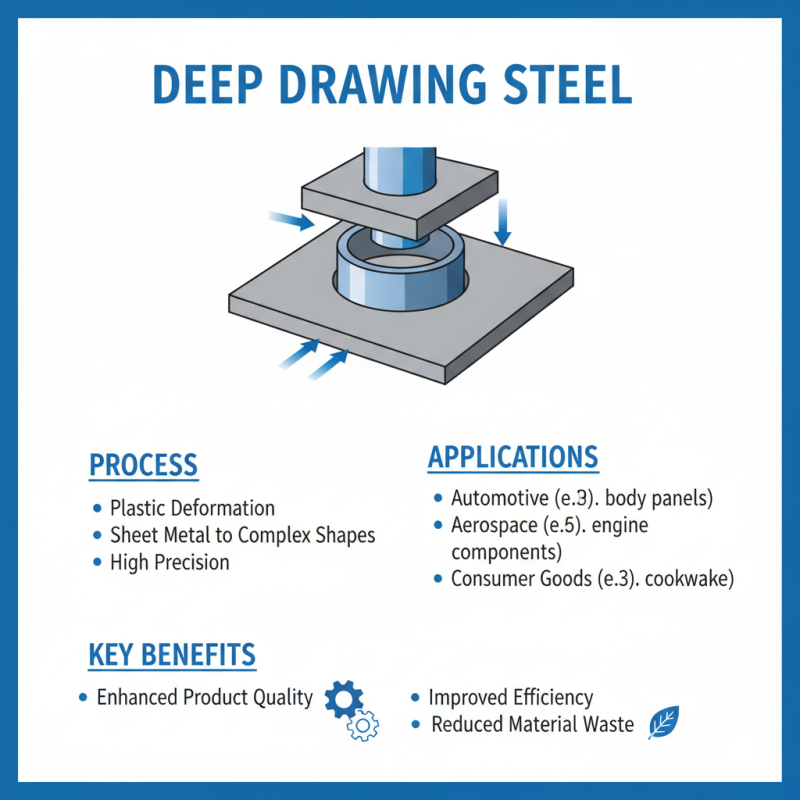
Deep drawing steel is a critical process in metal forming that enables the production of complex shapes with high precision. This technique involves the plastic deformation of sheet metal, often resulting in components that are essential in various industries, including automotive, aerospace, and consumer goods. Understanding the fundamentals of deep drawing steel is vital for engineers and manufacturers, as it not only enhances the quality of the final product but also improves efficiency and reduces waste during production.
The importance of deep drawing steel lies in its ability to achieve intricate geometries while maintaining the material's structural integrity. The process typically involves applying force through a punch that draws the metal into a die, allowing for the creation of deep, cupped shapes. Mastering the parameters such as material selection, lubrication, and process design can significantly impact the success of deep drawing operations. By utilizing advanced techniques and tools, manufacturers can optimize production processes, resulting in superior metal forming capabilities that meet the ever-evolving demands of the market.
Related Posts
-
How to Choose the Best Metal Spinning Lathe Tools for Your Projects
-

2025 Top 5 Pipe Roll Forming Machines You Need to Know
-
What is Aluminium Spinning Machine and How Does it Work
-
What is a Steel Forming Machine? A Comprehensive Guide to Understanding Its Uses and Benefits
-
10 Essential Tips for Optimizing Flow Forming Metal Techniques
-
The Essential Guide to Forming Metal: Techniques, Applications, and Market Insights in 2023