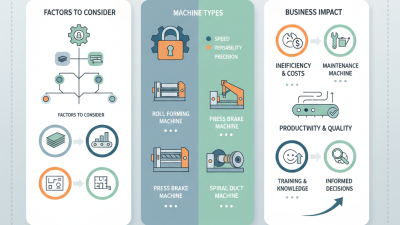
Understanding the Best Roll Forming Process for Your Business?
The roll forming process is essential for many manufacturing businesses. It provides an efficient way to create complex shapes from metal sheets. Choosing the right method can significantly impact production efficiency and product quality.
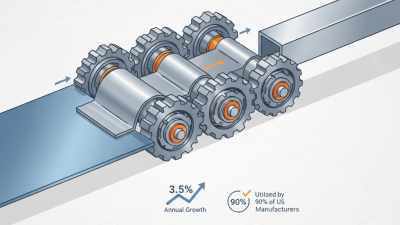
This process involves continuously feeding a metal strip through a series of rollers. These rollers shape the metal into the desired profile. However, not all roll forming processes are created equal. Each has its unique advantages and potential drawbacks. For instance, some methods may lead to material waste, while others might demand higher initial costs.
Understanding your specific requirements is crucial. Consider factors such as material type and production volume. Each detail matters in optimizing the roll forming process. Decisions should be made based on thorough analysis, not just on initial cost. Reflecting on past experiences can also provide valuable insights. Inconsistencies in output quality may indicate the need for adjustments. Finding the right roll forming process demands careful thought and adaptation.
Exploring the Basics of Roll Forming: An Overview
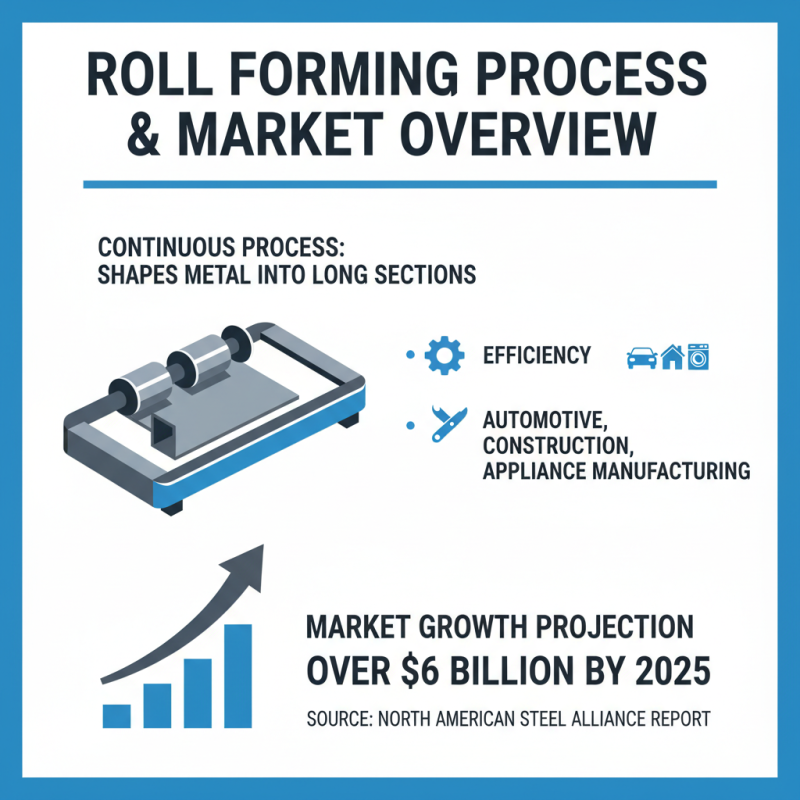
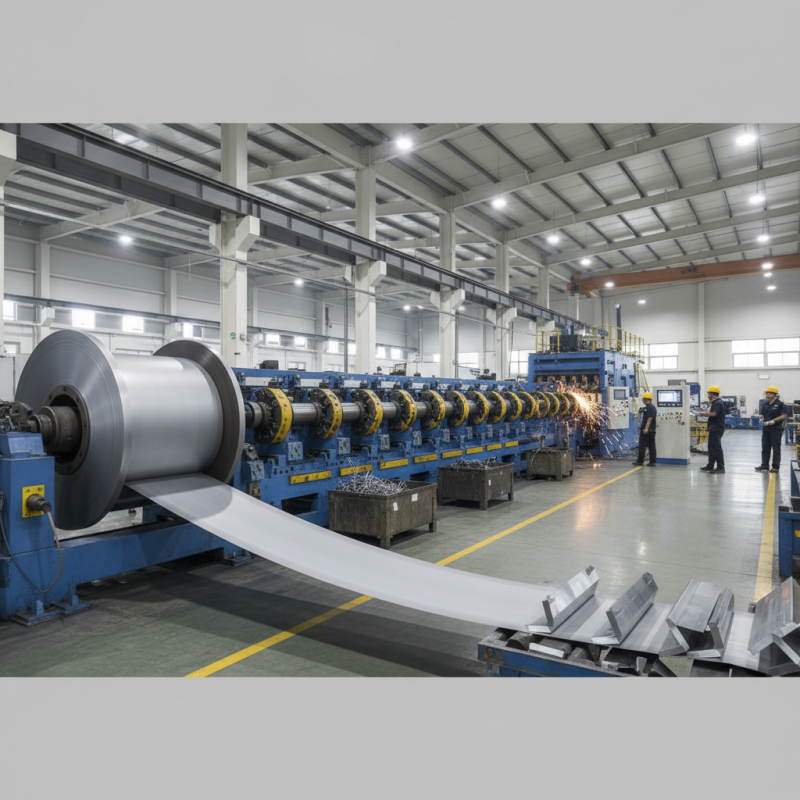
Roll forming is a continuous process that shapes metal into long sections. It’s known for its efficiency and versatility. This method is widely used in various industries, including automotive, construction, and appliance manufacturing. According to a report from the North American Steel Alliance, the roll forming market is projected to grow significantly, reaching over $6 billion by 2025.
The roll forming process involves feeding metal into a series of rollers. Each roller incrementally shapes the metal until the desired profile is achieved. The technology can produce complex shapes with excellent accuracy. However, there can be challenges. Altering the shape may require new tooling, which can be costly and time-consuming. Furthermore, not all materials are suited for roll forming; the selection of the right metal is crucial.
Data from various industry studies highlight that about 30% of manufacturers face efficiency losses due to improper metal selection. Misunderstandings about material properties can lead to defects in the final product. This highlights the need for thorough training and understanding of the roll forming basics. Investing in knowledge can lead to better production outcomes and enhance business success in this competitive sector.
Key Factors to Consider in Choosing a Roll Forming Process
When selecting a roll forming process for your business, consider a variety of key factors. Material type is critical. Steel, aluminum, and plastic all have different properties. Each one requires a unique approach to the roll forming process. For example, steel can be more difficult to shape compared to aluminum. It’s essential to know the specifics of your materials.
Machine capabilities also play a vital role. Not all machines can produce the same results. Some can handle thicker materials, while others are better suited for precision work. Assess your production volume as well. If you need high-volume output, investing in advanced machinery may be necessary. However, starting with basic equipment might suffice for smaller operations.
Don’t overlook tooling decisions. Tooling can be a significant cost. It impacts production speed and quality. Choosing the right tooling will reduce waste and lead times. Regular maintenance of your equipment is also important. Neglecting this can lead to inefficiencies. Evaluate your process regularly to ensure it meets your evolving needs. A thoughtful approach can save you time and resources in the long run.
Comparative Analysis of Roll Forming Techniques and Their Applications
Roll forming is a vital process in the metalworking industry. It involves bending metal sheets into desired shapes through a series of rollers. Each technique offers unique advantages, suitable for different applications.
One widely used method is continuous roll forming. This technique allows for high-volume production with consistent quality. A report from the American Iron and Steel Institute highlights that nearly 70% of manufacturers prefer continuous roll forming for its efficiency. However, this method requires significant initial investment. Smaller businesses may struggle to afford the equipment.
Another noteworthy technique is progressive roll forming. This method excels in creating complex profiles with tighter tolerances. For instance, it is ideal for the automotive industry where precision is crucial. According to a recent study, up to 50% of automotive components are now produced using progressive roll forming. Businesses should weigh the benefits against the potential for production delays.
Tips: Consider your production volume. If it's low, explore alternatives like manual forming. Also, evaluate your budget carefully. Sometimes, the best choice is not the most expensive option.
Keep in mind, each technique has its drawbacks. Continuous roll forming can be limited in complex designs. Progressive forming may lead to higher operational costs. Reflect on your specific needs to choose wisely.
Understanding the Best Roll Forming Process for Your Business
| Technique |
Material Types |
Minimum Wall Thickness |
Typical Applications |
Advantages |
Considerations |
| Traditional Roll Forming |
Steel, Aluminum |
0.020 in |
Structural Beams, Channels |
Cost-effective for high volumes |
Limited to low complex shapes |
| Thin Walled Roll Forming |
Sheet Metal |
0.010 in |
Ductwork, Automotive Parts |
Allows for intricate designs |
Requires specialized tooling |
| High Speed Roll Forming |
Copper, Brass |
0.015 in |
Electrical Conduits, Railings |
Increases production efficiency |
Higher initial investment |
| Roll Forming with Post-Processing |
Various Alloys |
0.025 in |
Custom Fabricated Parts |
Versatile for complex requirements |
Longer lead times for production |
Evaluating Material Options for Roll Forming in Your Business
When it comes to roll forming, choosing the right material is crucial. Different materials offer distinct properties. Steel, for example, provides strength and durability. It's ideal for structural components. On the other hand, aluminum is lightweight. It also resists corrosion well. This makes it perfect for applications where weight is a concern.
Consider the specific requirements of your project. Some projects may need high tensile strength, while others may prioritize flexibility. Researching material options is vital. Each material has its pros and cons. For instance, while steel is robust, it may rust if not treated properly. Meanwhile, aluminum is easier to shape but can be more expensive.
Always factor in costs when evaluating materials. A cheaper option might save money upfront but could lead to higher maintenance. Reflect on your long-term goals. Are you prioritizing durability, weight, or cost? Taking time to weigh these options will ensure your roll forming process is more effective. It may require additional research, but the right choice will pay off.
Best Practices for Implementing Roll Forming in Manufacturing Operations
When implementing roll forming in your manufacturing operations, it's essential to follow best practices. One significant aspect is thorough planning. Understand your production needs and material specifications. This ensures efficiency and quality in the final product.
Tip: Assess the costs of materials carefully. Sometimes, cheaper options may lead to higher waste. Aim for the right balance between quality and cost.
Training your workforce is another crucial step. Employees should understand the machinery and process intricacies. Misunderstandings can lead to errors, costly repairs, or delays.
Tip: Create a feedback loop with your team. Encourage them to share insights. This can uncover areas for improvement.
Lastly, regular maintenance of the equipment cannot be overlooked. Worn-out machines can affect output quality. Schedule preventative maintenance to avoid unexpected downtimes.
Tip: Document maintenance schedules and issues that arise. This will help identify patterns and optimize operations.