10 Best Spin Forming Techniques for Efficient Manufacturing?
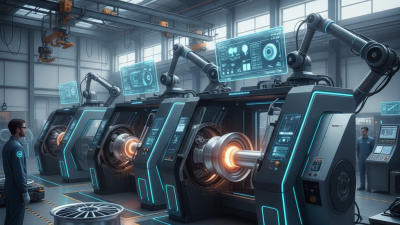
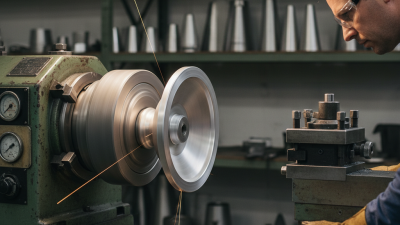
Spin forming is a versatile and efficient manufacturing technique used to shape materials into precise components. This process involves rotating a workpiece against a tool, creating various forms in metals and plastics. With the right techniques, manufacturers can produce high-quality parts with minimal waste. There are many spin forming methods that can enhance productivity and lower costs.
Exploring the best spin forming techniques can lead to improved production rates and better material utilization. Each method has unique advantages and challenges. For instance, some techniques may require specialized tools. Others might demand high precision during operation. It’s crucial to analyze these methods carefully. Selecting the wrong approach can result in subpar products or increased expenses.
Understanding these spin forming techniques is essential for any manufacturer. They can influence the final product's durability and performance. As we delve into the best techniques, we will consider practical details and possible pitfalls. This exploration will help optimize production in various industries.
Overview of Spin Forming Techniques in Manufacturing
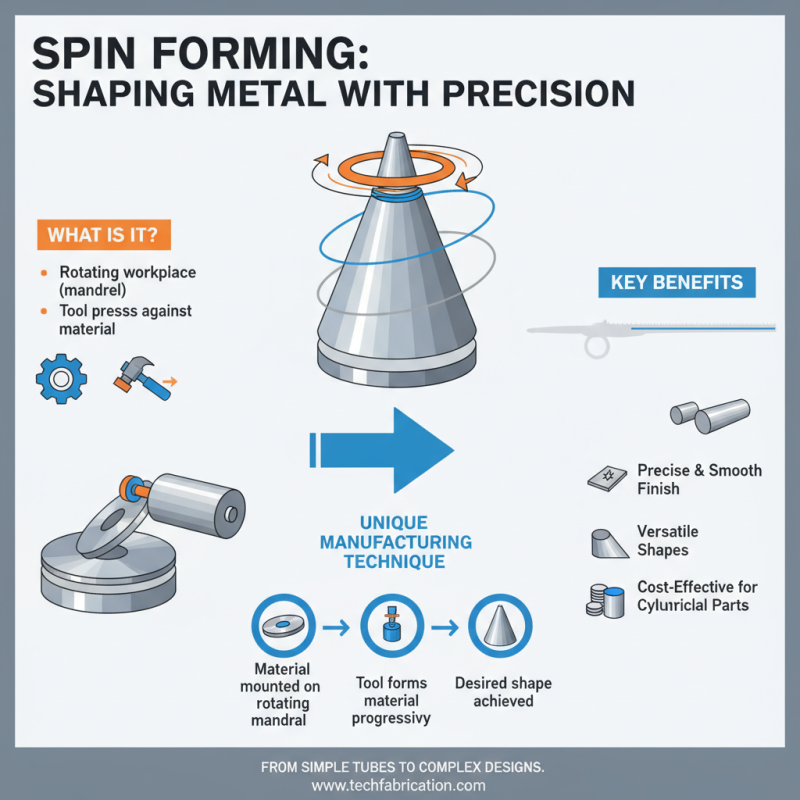
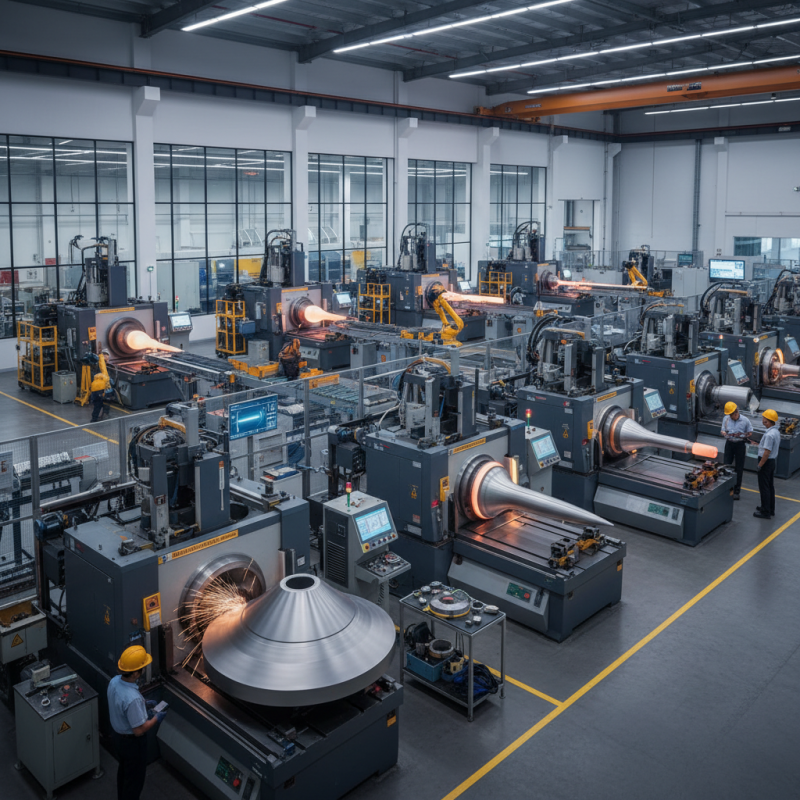
Spin forming is a unique manufacturing technique that stages materials into various shapes. This method centers around a rotating workpiece, which is shaped using a tool. The result is a precise and smooth finish. Spin forming can produce cylindrical parts effectively. These can range from simple tubes to complex shapes.
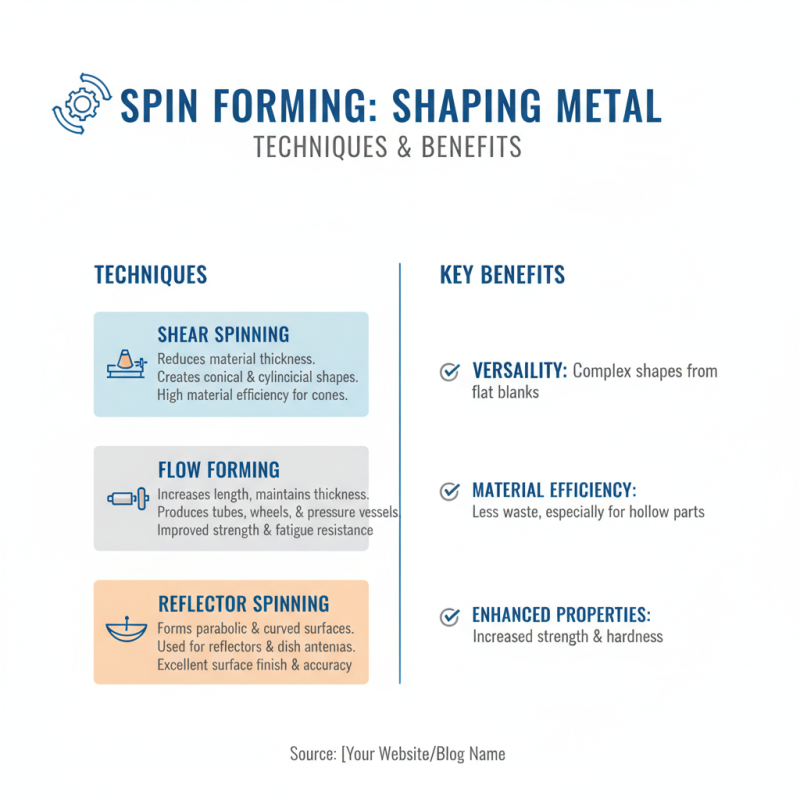
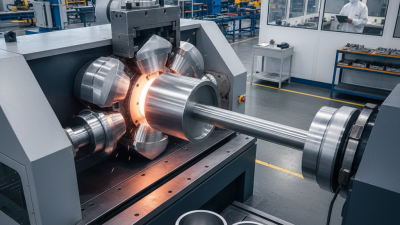
Various techniques exist within spin forming. Each has its advantages and limitations. For instance, the flow forming technique allows for tighter tolerances, but it may not suit all materials. Another method is the incremental forming, which offers flexibility, yet it requires more time. The choice of technique heavily depends on the end product requirements.
There's always a learning curve with spin forming. Operators must understand the material properties and tool dynamics. A slight mistake can lead to defects, requiring rework. Manufacturers need to constantly refine their processes. Adopting new tools can also introduce unexpected challenges. It's essential to assess these factors to enhance efficiency.
Key Benefits of Spin Forming for Production Efficiency
Spin forming is a fascinating technique that enhances production efficiency in manufacturing. This process allows for the creation of complex shapes with minimal waste. It utilizes a rotating disc, shaped under pressure, transforming materials like metal into desired forms. The precision of spin forming reduces the need for extensive machining, saving both time and resources.
One critical benefit is the ability to produce lightweight yet strong components. This method can efficiently fabricate thin-walled parts while maintaining structural integrity. This can lead to lighter products that are easier to handle and transport. However, mastering spin forming requires skill and experience. Improper techniques may lead to defects, which can affect the final product’s quality.
Additionally, spin forming can be applied to various materials, including aluminum and titanium. This versatility opens doors for different industries, like aerospace and automotive. Yet, achieving consistent results can be challenging. Operators must closely monitor parameters to ensure quality. Despite its advantages, some may find it difficult to fully embrace spin forming due to the learning curve involved.
Step-by-Step Process of Spin Forming Operations
Spin forming is a process that requires precision and care. Operators need to understand each step thoroughly. The first phase involves preparing the tooling and workpiece. The material should be properly cleaned and secured before starting.
Once everything is set, the operator rotates the workpiece while applying pressure. This action shapes the material. Using the right speed and pressure is crucial. Too much force can lead to defects. If the operator isn't careful, the material can warp or fracture.
Monitoring the process is vital. Operators must watch for any unusual sounds or vibrations. Adjustments may be necessary based on the feedback. Sometimes, operators overlook small details. These oversights can result in wasted materials and time. Being detail-oriented is the key to successful spin forming.
10 Best Spin Forming Techniques for Efficient Manufacturing
| Technique |
Material |
Applications |
Advantages |
Efficiency Rating |
| CNC Spin Forming |
Aluminum |
Automotive Components |
Precision and consistency |
9/10 |
| Manual Spin Forming |
Stainless Steel |
Decorative Plates |
Low setup cost |
7/10 |
| Hydraulic Spin Forming |
Copper |
Electrical Enclosures |
Higher force and speed |
8/10 |
| Spin Forming with Tooling |
Titanium |
Aerospace Components |
High strength-to-weight ratio |
9/10 |
| Electromechanical Spin Forming |
Aluminum Alloys |
Industrial Applications |
Regulated output and control |
8/10 |
| Automated Spin Forming |
Nickel |
Consumer Products |
High throughput and efficiency |
10/10 |
| Induction Spin Forming |
Steel |
Heavy Equipment |
Rapid heating and forming |
9/10 |
| Plasma Spin Forming |
Carbon Steel |
Specialty Parts |
Excellent edge control |
8/10 |
| Hybrid Spin Forming |
Alloy Composites |
Integrated Systems |
Versatility in forming |
9/10 |
| 3D Spin Forming |
Various Metals |
Custom Designs |
Complex geometries |
10/10 |
Comparison of Different Spin Forming Techniques
Spin forming is a fascinating technique in manufacturing. It creates complex shapes from metal by rotating a blank against a tool. Different spin forming techniques offer unique benefits and drawbacks. Understanding these can enhance efficiency.
One popular method is hydraulic spin forming. It uses fluid pressure to shape the metal. This technique can produce intricate designs. However, it may require specialized equipment, which can be costly. In contrast, mechanical spinning uses a single setup with less complexity. It is easier to operate but might limit design flexibility.
Another technique worth noting is incremental spinning. This method gradually deforms the material, allowing for detailed adjustments. While it is adaptable, it often takes longer to complete a part. Manufacturers must weigh speed against precision. Evaluating each approach helps in selecting the most suitable one for specific projects. However, it's crucial to remain open to refining these techniques for better outcomes.
Future Trends in Spin Forming Technology and Practices
The potential of spin forming technology continues to evolve, aligning with industry needs for efficiency and precision. Recent reports indicate that the global market for metal forming technologies is expected to grow at a CAGR of 5.2% from 2021 to 2026. Companies increasingly seek methods to reduce production costs while maintaining high-quality standards. Spin forming is emerging as a viable solution.
Automation plays a vital role in the future of spin forming. Automated systems improve accuracy and speed, leading to minimized waste and enhanced productivity. A recent study revealed that automating spin forming operations could cut production time by up to 30%. However, the transition to automation is challenging. Many facilities struggle with integrating new technologies into existing processes, which can lead to inefficiencies.
Sustainability is another crucial trend in spin forming practices. Manufacturers are under pressure to reduce environmental impact. According to industry insights, 70% of manufacturers are investing in sustainable technologies. Spin forming can utilize materials more efficiently, but not all manufacturers are ready to adopt these practices. The hesitation often stems from initial costs and uncertainty about long-term benefits. Balancing these considerations remains a vital conversation in the industry.
10 Best Spin Forming Techniques for Efficient Manufacturing