- Home
- Machinery
- Metal Spinning Machines
- Flow Forming Machines
- Wheel Forming Machines
- Shear Forming Machines
- Necking-In / Closing Machines
- Rotary Forging Machines
- Pulley Forming Machines
- Trimming, Beading,… Machines
- Circular and Ring Shears
- Custom Machines and R&D
- Robotics, Loading & Unloading
- Upgrades – Used – Retrofits
- DENN Software / Technologies
- Machinery Technologies
- Applications & Industries
- Lubricants
- News & Updates
- Contact / Info / Service

Innovation and Experience in building metal spinning and flow forming machines - DENN
Innovation and Experience in building metal spinning and flow forming machines - DENN
How to Choose the Right Metal Forming Machine for Your Needs?
Choosing the right metal forming machine can significantly impact production efficiency. The global metal forming industry is valued at over $200 billion, with expectations for continued growth. As manufacturing processes evolve, selecting a machine tailored to specific needs is crucial.
Consider factors like material type, production volume, and technological requirements. Different machines serve various applications, ranging from simple bending to complex shaping. According to industry reports, about 70% of manufacturers upgrade their machines to improve accuracy and reduce waste. This demonstrates the importance of thoughtful selection in optimizing performance.
However, not all machines are created equal. A poor choice can lead to inefficiencies and higher costs. It's essential to analyze both short-term and long-term needs. Engage with experts and seek feedback from peers in the industry. Your decision will shape your company’s productivity and innovation capabilities.
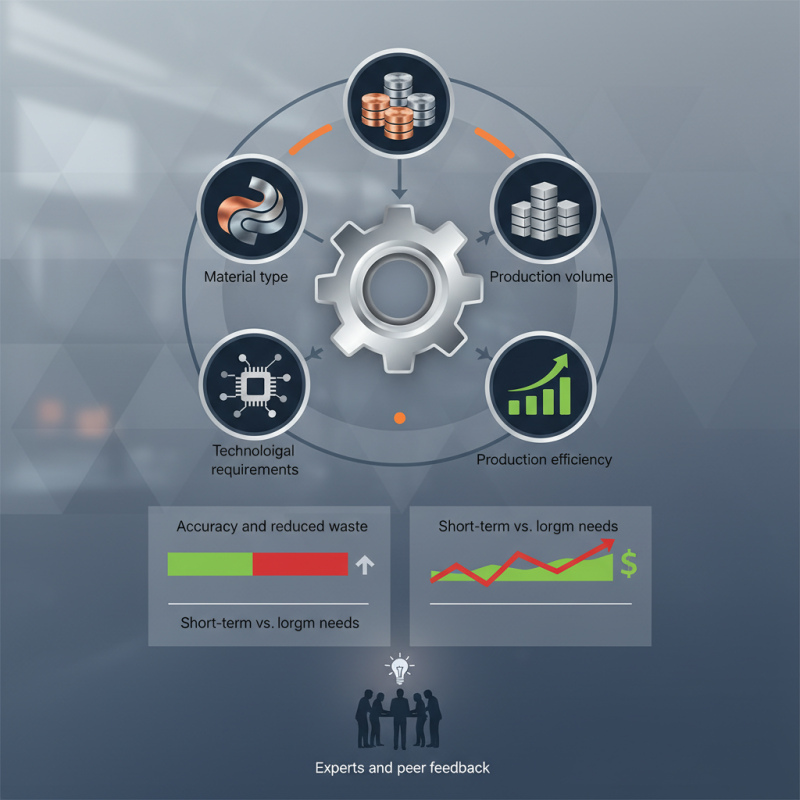
Table of Contents
[Hide]
Understanding Your Metal Forming Needs and Applications
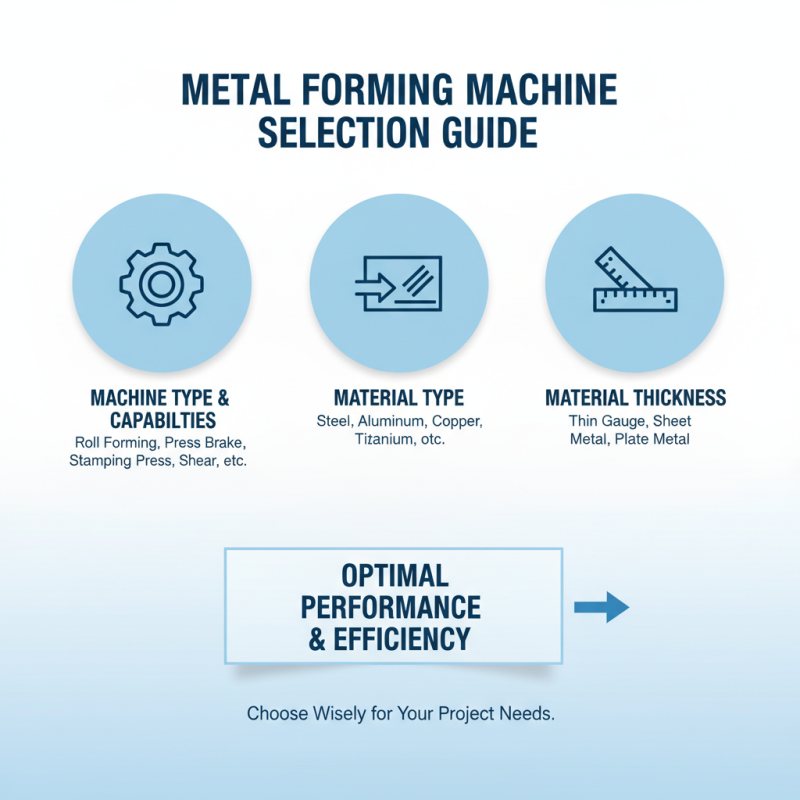
When considering metal forming machines, understanding your specific needs is critical. Different applications demand unique features and capabilities. For example, if you're working with intricate designs, precision is key. You might need a machine that offers fine control over the forming process. Alternatively, for high-volume production, speed and efficiency could be your priority.
Take the time to evaluate the types of projects you regularly undertake. Are you working with thick sheets or thin strips of metal? This variation will influence your choice. Additionally, think about the materials you use most often. Some machines excel with certain metals, while others can handle a broader range.
Consider the learning curve. Some machines are user-friendly, while others may require more expertise. It’s essential to reflect on your team’s skill level. Investing in a machine that is too complicated can lead to costly mistakes. Your choice should align with both your technical capabilities and your production goals.
How to Choose the Right Metal Forming Machine for Your Needs?
| Machine Type | Max Sheet Thickness (mm) | Max Width (mm) | Applications | Price Range ($) |
|---|---|---|---|---|
| Hydraulic Press Brake | 16 | 3000 | Bending, Forming | 20,000 - 50,000 |
| CNC Laser Cutter | 25 | 4000 | Cutting, Engraving | 15,000 - 100,000 |
| Punch Press | 10 | 2000 | Stamping, Punching | 10,000 - 40,000 |
| Metal Roll Forming Machine | 8 | 1500 | Profiles, Channels | 25,000 - 70,000 |
| Sheet Metal Shear | 12 | 3000 | Shearing, Cutting | 5,000 - 25,000 |
Related Posts
-
Top 10 Benefits of Precision Metal Forming for Modern Manufacturing?
-
Top Benefits of Flow Forming Steel in Modern Manufacturing?
-
What is Deep Drawing Steel and How is it Used in Manufacturing?
-
What is Metal Machining Equipment and How Does It Work?
-

Top 10 Metal Forming Software Solutions to Boost Productivity?
-
Top 10 Spin Forming Machines: How to Choose the Right One for Your Needs