2026 How to Choose the Right Industrial Machinery for Your Business?

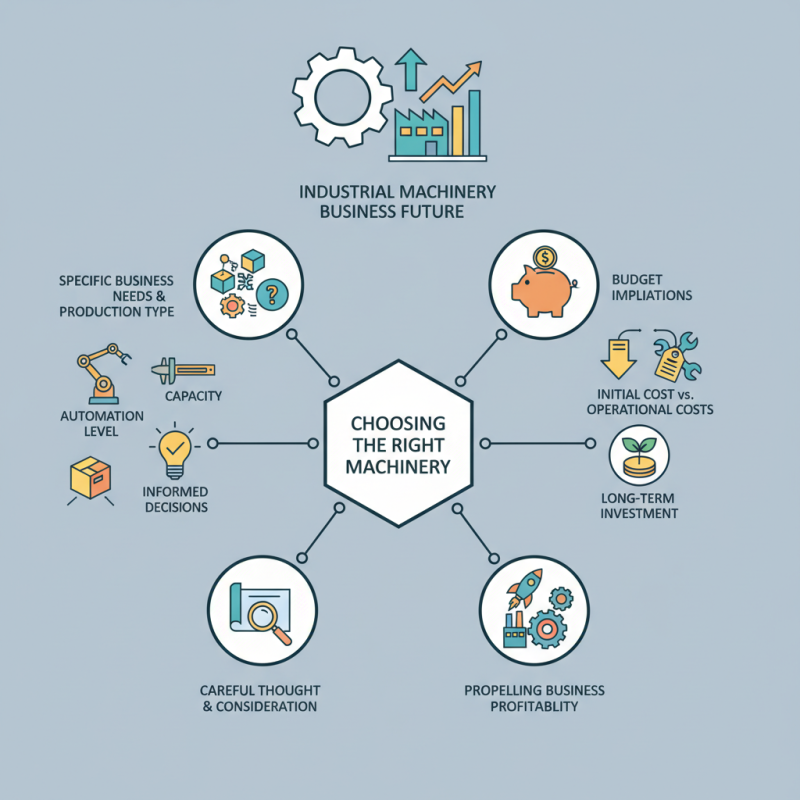
Selecting the right industrial machinery can shape your business's future. Jack Thompson, an expert in industrial machinery, states, "The right machines do not just build products; they build your success." This emphasizes the profound impact that machinery can have on a company's operations and profitability.

Many factors come into play when choosing industrial machinery. It's crucial to consider the specific needs of your business. Understand the type of production you engage in. Industrial machinery varies greatly in automation level, precision, and capacity. Each sector has its unique demands that should dictate your choice.

Pay attention to budget implications as well. Sometimes, cheaper machines lead to higher operational costs. Reflect on the long-term implications of your selections. Investing in quality machinery might seem expensive, but it often saves money in the long run. Machinery choices are challenges that require careful thought and consideration. The right decisions can propel your business forward.
2026 How to Choose the Right Industrial Machinery for Your Business?

Understanding Your Business Needs for Industrial Machinery

Understanding your business needs is critical when choosing industrial machinery. Consider what your production goals are. Are you looking for efficiency? Or are you focusing on product quality? Each business has unique requirements. These factors shape your decisions.

Tip: Assess your workflow. Analyze the steps of your production process. Identify bottlenecks and inefficiencies. This analysis can guide your machinery choice.

Don’t forget to evaluate the scalability of your machinery. Is it flexible enough for future growth? What if your production volume increases? These questions are essential to consider. Invest time in understanding these aspects.

Tip: Consult with team members. Gather their insights and experiences. They may offer perspectives you haven’t considered. A collaborative approach often leads to better decisions, even if it feels overwhelming.
Evaluating Different Types of Industrial Machinery Available

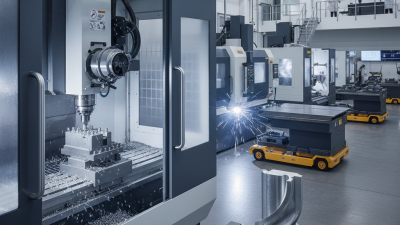
When evaluating industrial machinery, understanding your operational needs is crucial. Different types of machinery serve various purposes. For instance, manufacturing equipment can include CNC machines, lathes, and welding units. Each impacts production efficiency differently. According to a recent industry report, implementing the right machinery can increase productivity by up to 30%.

It’s also essential to consider the cost versus long-term benefits. Some machines have high upfront costs but lead to significant savings over time. However, businesses should avoid the trap of focusing solely on brand names. A focus on functionality and compatibility with existing systems may be more beneficial. Additionally, improper evaluation can lead to costly mistakes. Almost 20% of companies reported machinery that couldn't meet their production demands.

Finally, don’t overlook the importance of maintenance requirements. Machines with complex parts could incur high service costs. It’s vital to assess whether your staff is trained for upkeep and repairs. A lack of skills here can lead to downtime and lost revenue. Evaluating different types of machinery isn’t solely about price. It's about ensuring it meets real-time production needs and future growth plans.

Assessing the Budget and Cost-Benefit Analysis

When assessing the budget for industrial machinery, consider both upfront costs and long-term value. Reports indicate that companies often overlook hidden expenses. Maintenance, energy consumption, and downtime can significantly impact your budget. Don’t just focus on the purchase price. An investment can become a liability without proper analysis.

A cost-benefit analysis provides clarity. Studies show that well-planned machinery investments can improve productivity by 20-30%. However, risky purchases may lead to increased expenses instead of savings. Always evaluate the expected lifespan and technological advancements of the machinery. Shorter lifespans can result in unexpected replacements and additional costs.

Reflections on industry data reveal a tendency to make impulsive purchases. A substantial number of businesses fail to analyze ROI before buying equipment. Neglecting this step results in lost opportunities and wasted resources. By carefully considering these factors, businesses can find machinery that suits their needs and maximizes performance over time.

Researching Manufacturers and Supplier Reliability

2026 How to Choose the Right Industrial Machinery for Your Business?

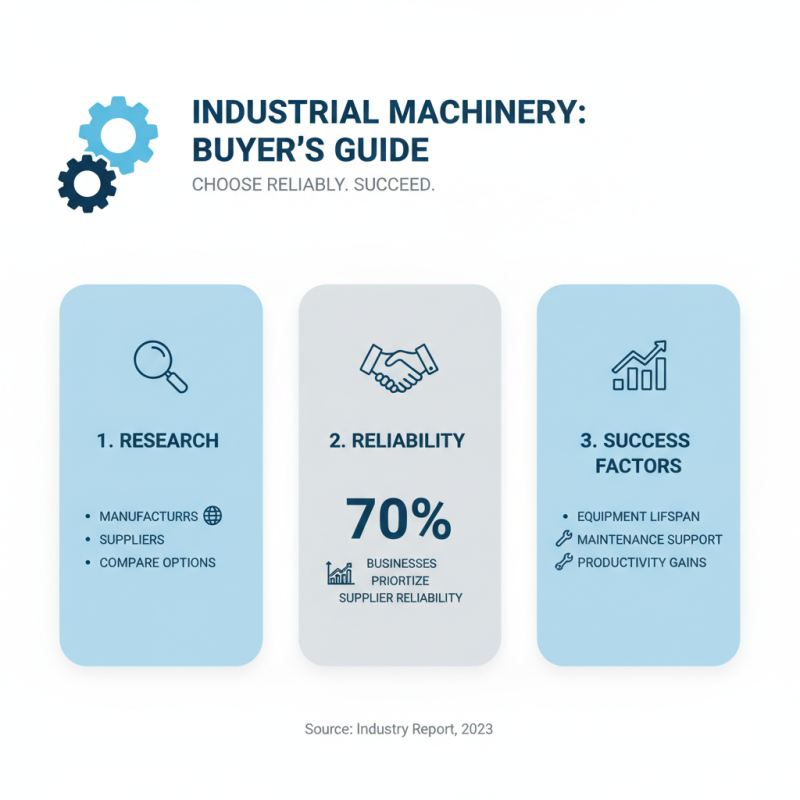
Choosing the right industrial machinery is crucial for business success. Researching potential manufacturers and suppliers can be a daunting task. Reliability is key when investing in equipment. According to a recent industry report, around 70% of businesses cite supplier reliability as a vital factor in their purchasing decisions.

When evaluating suppliers, consider their reputation and history. A study indicates that over 60% of companies that fail to vet their suppliers experience operational disruptions within the first year. Quality certifications and customer reviews offer insights into a manufacturer's reliability. Look for feedback from peers. Real user experiences can uncover hidden issues and potential setbacks.

Be aware that not all suppliers will deliver as promised. Unexpected delays and quality issues can arise. Maintaining open communication is essential throughout the sourcing process. Regular check-ins can prevent misunderstandings. Reflecting on past experiences can help refine your selection process. Use data from industry sources to make informed decisions and minimize risks.

Planning for Future Growth and Scalability in Machinery Selection

Choosing the right industrial machinery is crucial for business growth. As companies expand, selecting equipment that can scale with operations becomes essential. This decision impacts productivity and cost-effectiveness far down the line. For example, a company focused on high-volume production might need versatile machinery that can adapt to changing demands.

Consider machine adaptability. Can it handle different types of materials? Look for features that allow reconfiguration. If a machine is too specialized, it may limit your options. Also, don’t overlook ease of maintenance. Complex machines can lead to unexpected downtime. Projecting future needs is challenging but important.

Growth often comes with uncertainty. What if demand changes unexpectedly? Investing in machines with upgrade options might mitigate risks. Regularly reevaluate your machinery choices. Seek feedback from operators for insights on performance. This process uncovers hidden issues that could affect scalability. Remember, it’s not just about the initial cost. Think long-term.