What is Deep Drawing Steel and How is it Used in Manufacturing?
Deep drawing steel is a vital material in manufacturing processes. It is commonly used to create complex shapes from flat sheets of steel. This method is essential in industries like automotive and appliances. The ability to mold steel into desired forms is incredible.
When using deep drawing steel, one must consider thickness and ductility. These factors greatly influence the quality of the final product. Improper selection can lead to defects, such as cracking or tearing. Manufacturers must invest time in testing materials.
Despite its advantages, deep drawing still has challenges. Some might overlook specific sizing requirements. This oversight can result in significant rework. Thus, a thorough understanding of the material is crucial for success in manufacturing. The journey of deep drawing steel is fascinating yet demands careful attention.
What is Deep Drawing Steel?
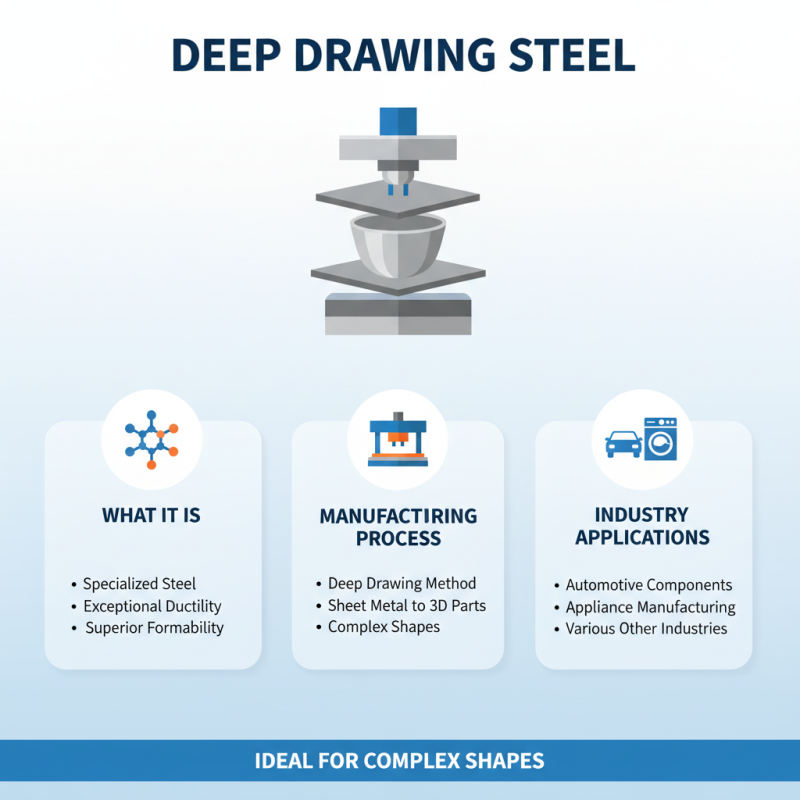
Deep drawing steel is a specialized type of steel designed for manufacturing processes. It is known for its excellent ductility and formability. This makes it an ideal choice for creating complex shapes through deep drawing. In this method, metal sheets are transformed into three-dimensional parts. These parts are then used in various industries, including automotive and appliances.
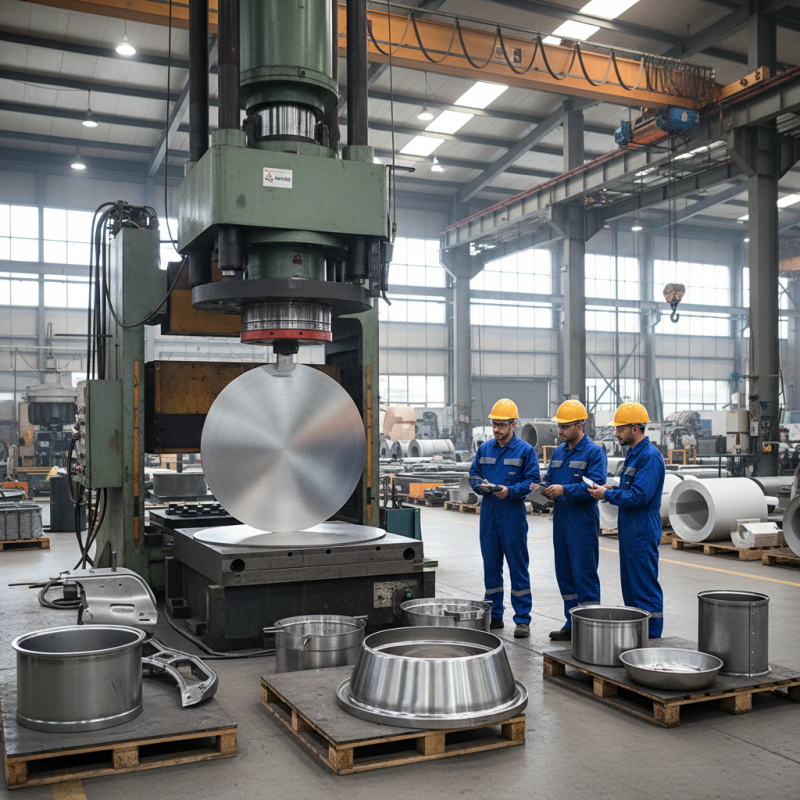
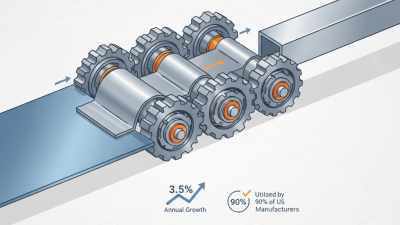
The process of deep drawing involves several steps. First, a flat sheet of steel is placed over a die. A punch then forces the sheet downward, creating a cup shape. This requires precise control of pressure and temperature. Designers must consider material thickness and geometrical constraints. Errors can lead to defects, which may compromise the final product's integrity. Testing the steel's properties before manufacturing is essential. Weak spots can result in failures during production.
While deep drawing offers many advantages, there are challenges. The steel must be carefully selected to withstand the stresses of forming. Too brittle a material can break during drawing. This highlights the importance of material knowledge in manufacturing. Engineers often reflect on past projects to improve future designs. Learning from mistakes is crucial in achieving better results.
Properties and Characteristics of Deep Drawing Steel
Deep drawing steel is a crucial material in manufacturing processes, particularly in forming complex shapes. This type of steel is specifically designed to undergo significant plastic deformation without cracking. Its unique properties make it ideal for various applications, from automotive parts to household appliances.
The characteristics of deep drawing steel include excellent ductility and tensile strength. Ductility allows the steel to stretch and form intricate shapes. Tensile strength ensures that the product does not fail under pressure. Additionally, a lower carbon content in this steel enhances its ability to be drawn into thinner sheets. However, achieving the perfect balance in properties can be challenging. Manufacturers often face issues with inconsistent quality, leading to unexpected breakage during the drawing process.
Another interesting aspect of deep drawing steel is its formability. This property allows it to be shaped into complex geometries. Still, the process is not without flaws. Maintaining uniform thickness across large parts can be difficult. Even seasoned manufacturers may struggle with variations in sheet thickness, which can lead to defects in the final product. Ultimately, while deep drawing steel offers numerous advantages, careful consideration during the manufacturing process is essential for optimal results.
Applications of Deep Drawing Steel in Manufacturing
Deep drawing steel is crucial in various manufacturing processes. It is commonly used in industries like automotive, aerospace, and consumer goods. The ability of this steel to undergo significant deformation without breaking is essential for creating complex shapes.
According to industry reports, the global deep drawing market is anticipated to reach $10 billion by 2025, highlighting its increasing relevance.
Several applications illustrate the versatility of deep drawing steel. For instance, automotive manufacturers often use it to produce panels, housings, and structural components. The steel is favored for its strength and lightweight nature. Reports suggest that over 50% of all car body parts utilize deep drawn components. This leads to improved fuel efficiency and performance. However, not all applications achieve perfect results, and inconsistencies in the deep drawing process can lead to defects.
In the electronics sector, deep drawn steel is used to create enclosures for devices. These enclosures must be durable yet aesthetically pleasing. Industry standards demand high precision, but sometimes manufacturers struggle with achieving the desired finish. Unforeseen challenges can arise, such as uneven thickness or surface imperfections. Continuous improvement is necessary to ensure the effectiveness of deep drawing techniques in this field.
The Deep Drawing Process: Steps and Techniques
Deep drawing is a widely used manufacturing technique in which metal sheets are transformed into desirable shapes. The process begins with placing a flat metal sheet on a die. A punch then pushes the sheet into the die. This forms a cavity, creating deep parts such as automotive body panels. According to the International Journal of Advanced Manufacturing Technology, deep drawing can achieve up to 80% material utilization efficiency, highlighting its effectiveness.
Key steps include blank preparation, where the sheet is cut into the appropriate size. Next is the actual drawing, involving a high-speed press that exerts substantial force. Cooling and lubrication are vital during this step to prevent tearing. Inadequate lubrication can lead to flaws like wrinkles or cracks in the finished product. Reports from the Metal Forming Association indicate that improper technique can reduce production rates by 17%, showcasing the need for skilled operators.
Finally, the formed parts undergo trimming and finishing processes. Post-drawing operations might involve additional shaping or welding. Each of these steps presents its challenges, such as alignment issues or material defects. Industry studies suggest that up to 30% of deep-drawn parts may require rework due to dimensional inaccuracies. Continuous monitoring of parameters is essential for quality control in this intricate process.
Advantages and Challenges of Using Deep Drawing Steel in Production
Deep drawing steel is widely used in various industries due to its unique properties. One significant advantage is its ability to be shaped into complex forms. This is crucial for automotive and appliance parts. The material undergoes a process that stretches it into deep, intricate shapes. However, achieving the desired form can be challenging. Sometimes, issues like wrinkling or tearing occur during production. Manufacturers must constantly refine their techniques to avoid these problems.
Another advantage of deep drawing steel is its high strength-to-weight ratio. This makes it suitable for lightweight components that still require durability. However, this strength can sometimes lead to increased costs in processing and tooling. Companies often have to weigh the benefits against economic implications. It's essential to understand the balance between innovation and practicality in production processes. While deep drawing provides advantages, it also demands careful planning and execution to meet production standards.