- Home
- Machinery
- Metal Spinning Machines
- Flow Forming Machines
- Wheel Forming Machines
- Shear Forming Machines
- Necking-In / Closing Machines
- Rotary Forging Machines
- Pulley Forming Machines
- Trimming, Beading,… Machines
- Circular and Ring Shears
- Custom Machines and R&D
- Robotics, Loading & Unloading
- Upgrades – Used – Retrofits
- DENN Software / Technologies
- Machinery Technologies
- Applications & Industries
- Lubricants
- News & Updates
- Contact / Info / Service

Innovation and Experience in building metal spinning and flow forming machines - DENN
Innovation and Experience in building metal spinning and flow forming machines - DENN
Best Tips for Efficient Denn Metal Spinning: Techniques and Benefits Explained
In the evolving landscape of manufacturing, "denn metal spinning" stands out as a crucial technique that enhances efficiency and precision in the production of metal components. Industry expert John Smith, a distinguished figure with over two decades of experience in metalworking, emphasizes, "The mastery of denn metal spinning lies in understanding its intricate techniques, which not only streamline production but also significantly reduce material waste." This innovative process involves shaping metal into desired forms by rotating it against a stationary tool, resulting in high-quality products with minimal imperfections.
The advantages of denn metal spinning are manifold; it offers flexibility in design, the ability to work with various materials, and a cost-effective approach for small to medium production runs. As industries continue to seek sustainable and efficient manufacturing solutions, the adoption of advanced techniques in denn metal spinning is becoming increasingly pivotal. By harnessing the benefits of this method, manufacturers can not only enhance their operational efficiency but also meet the growing demand for customized metal products. In this article, we will explore the best tips for efficient denn metal spinning, uncovering the techniques that can lead to superior outcomes in production.
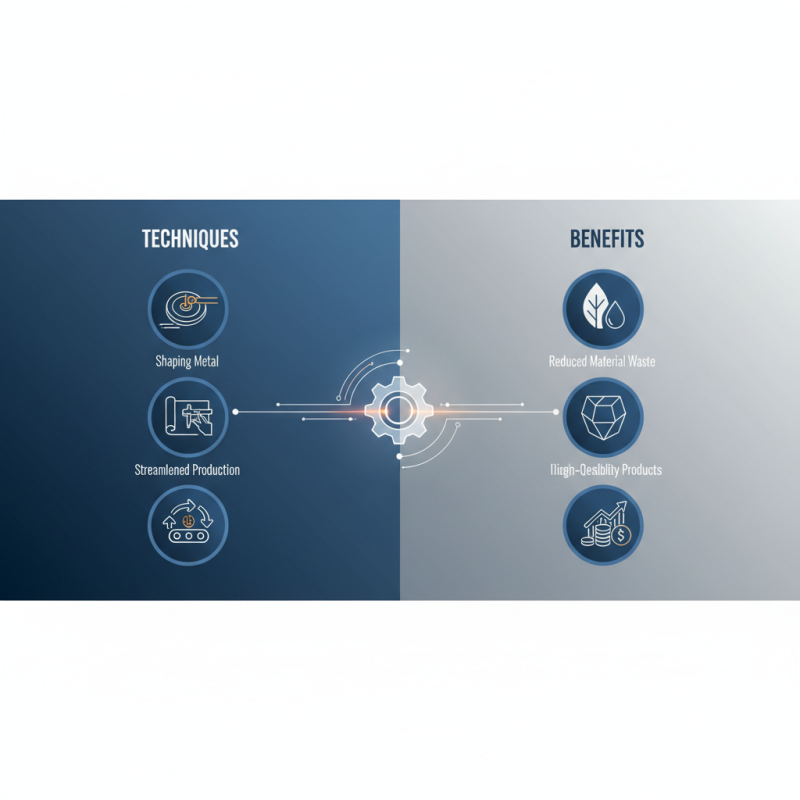
Table of Contents
[Hide]
Understanding Denn Metal Spinning and Its Applications
Denn metal spinning is a versatile manufacturing process that involves shaping a metal disc into a desired form by rotating it on a spindle and applying pressure with a tool. This technique is particularly valuable in producing cylindrical parts with complex geometries, making it widely applicable in various industries such as aerospace, automotive, and consumer goods. The process is well-suited for creating items ranging from simple bowls to intricate components, and its ability to produce lightweight yet durable structures makes it an attractive option for modern engineering.
One of the key advantages of Denn metal spinning is its efficiency in material usage. Unlike traditional machining methods that often generate significant scrap metal, spinning utilizes a whole metal sheet, which minimizes waste and lowers costs. Additionally, because the process can be performed using both manual and automated systems, manufacturers have the flexibility to choose the approach that best suits their production needs. The adaptability in terms of material types, thickness, and designs allows for tailored solutions that meet specific application requirements, making Denn metal spinning an essential technique in contemporary manufacturing processes.
Best Tips for Efficient Denn Metal Spinning: Techniques and Benefits Explained
| Technique | Description | Benefits | Applications |
|---|---|---|---|
| Spindle Speed Optimization | Adjusting spindle speed for different materials to improve results. | Enhanced precision and reduced material waste. | Aerospace, Automotive |
| Tool Selection | Using the right tools for specific metal types improves efficiency. | Reduced wear on tools and better surface finish. | Manufacturing, Custom Parts |
| Lubrication Techniques | Employing the right lubricants to facilitate metal forming. | Improved tooling life and lower friction. | Heavy Equipment, Electronics |
| Process Monitoring | Using sensors to monitor the spinning process in real-time. | Immediate feedback for adjustments leads to higher quality. | Medical Devices, Aerospace Components |
| Batch Production | Efficiently producing multiple parts in a single run. | Cost-effective and time-saving. | Various Industries, Custom Manufacturing |
Related Posts
-
Discover the Future of Industry with Advanced Global Metal Spinning Solutions
-
How to Effectively Use Spin Forming Metal Techniques in Manufacturing
-
10 Essential Tips for Optimizing Flow Forming Metal Techniques
-
2025 Top 5 Engineering Machinery Innovations Transforming the Industry
-
Top 5 Metal Roll Forming Machines for Precision Manufacturing in 2023
-

2025 Top 5 Pipe Roll Forming Machines You Need to Know