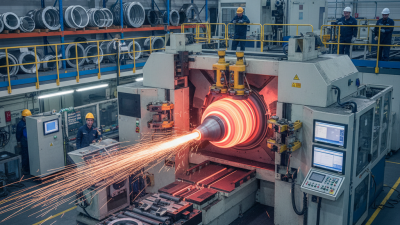
10 Essential Tips for Mastering Aluminium Spinning Techniques?
Aluminium spinning is a unique craft that combines artistry with precision engineering. According to John Smith, a leading expert in aluminium spinning, "Mastering aluminium spinning is about patience and practice." This technique allows artisans to create stunning, lightweight products from metal, enhancing both functionality and aesthetics.
Creating pieces through aluminium spinning involves several critical techniques. The process is not without its challenges. Common mistakes include incorrect material tension and improper tool use. Each step must be executed with care to achieve the desired results. Practicing regularly can help avoid these pitfalls. Failure often leads to reflection and improvement.
For anyone looking to master aluminium spinning, dedication is key. Small details make a significant difference. Committing to perfecting your skills will yield beautiful and functional creations. As you explore this artistic journey, remember that every error is an opportunity for growth.
Understanding the Basics of Aluminium Spinning Techniques
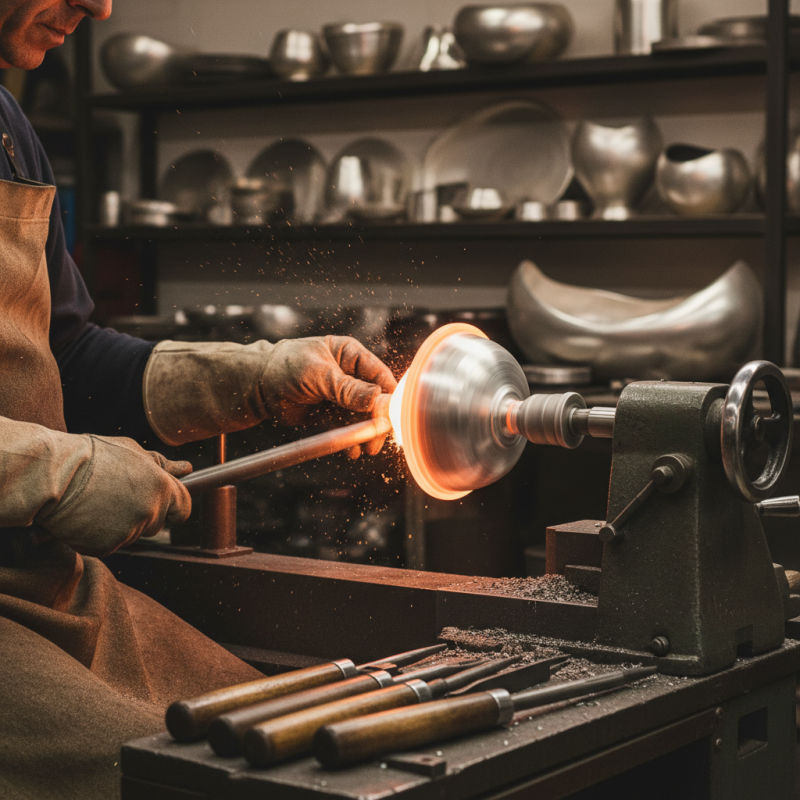
Aluminium spinning is a fascinating process used in various applications, from aerospace to automotive parts. Understanding the basics is crucial for mastering this technique. It involves shaping a flat disc of aluminium into a desired form using a spinning lathe. This method relies on both skill and the right setup to produce high-quality components.
One essential tip is to maintain the right temperature during the spinning process. Aluminium becomes more malleable when heated, reducing the risk of cracking. Data shows that a controlled temperature can lead to a 15% fewer defects. Another key aspect is the choice of tools. Using properly sharpened tools can enhance precision. This minor change can yield a notable difference in the final product's finish.
However, challenges often arise. For instance, achieving consistent wall thickness can be difficult. It's easy to create uneven sections, especially in complex shapes. A close inspection process can help identify these imperfections early on. Frequent quality checks can save time and resources in the long run. Embracing these practices can significantly improve your aluminium spinning techniques.
Essential Tools and Equipment for Aluminium Spinning
When diving into aluminium spinning, having the right tools is crucial. A spinning lathe is the heart of the operation. This machine shapes the metal into desired forms. Ensure it is sturdy and properly calibrated. A worn or lightweight lathe can lead to mistakes. Accuracy is key in this art, so don’t overlook the importance of your equipment.
In addition to the lathe, you need shaping tools like burnishing tools and cutoff tools. Burnishing tools smooth the surface, giving it a polished look. Cutoff tools help you manage the material more effectively. When you are working, remember to wear safety gloves. They protect you from sharp edges and hot surfaces.
Lighting and workspace are often underestimated. A well-lit area helps you see details better. An organized space frees your mind to focus on spinning. Reflect on your workspace regularly. An untidy area can lead to accidents or lost tools. Each aspect of your setup matters. Don’t rush the initial setup process; it sets the tone for your spinning project.
Step-by-Step Guide to Preparing Aluminium for Spinning
Preparing aluminium for spinning is crucial for achieving high-quality results. Start by selecting the right alloy. For spinning, 1050 aluminium is a popular choice due to its exceptional ductility. It can be easily shaped while maintaining strength. According to a recent industry report, over 70% of spinning applications utilize this alloy for its superior properties.
Next, ensure the aluminium sheet is clean. Any contaminants can lead to defects during the spinning process. Use a mild detergent and avoid harsh chemicals that could alter the metal's properties. After cleaning, cut the sheets into the required sizes. Precision is essential here, as uneven edges can result in poor spinning outcomes.
Lastly, check the thickness of the sheet. Ideal thickness varies, but most spinning requires sheets between 1.2 mm and 5 mm. Thinner sheets may deform, while thicker ones are harder to shape. An overwhelming 60% of new spinners report difficulties due to improper material preparation. Reflecting on your methods can prevent such pitfalls and enhance your spinning success.
Mastering Techniques for Shaping and Forming Aluminium
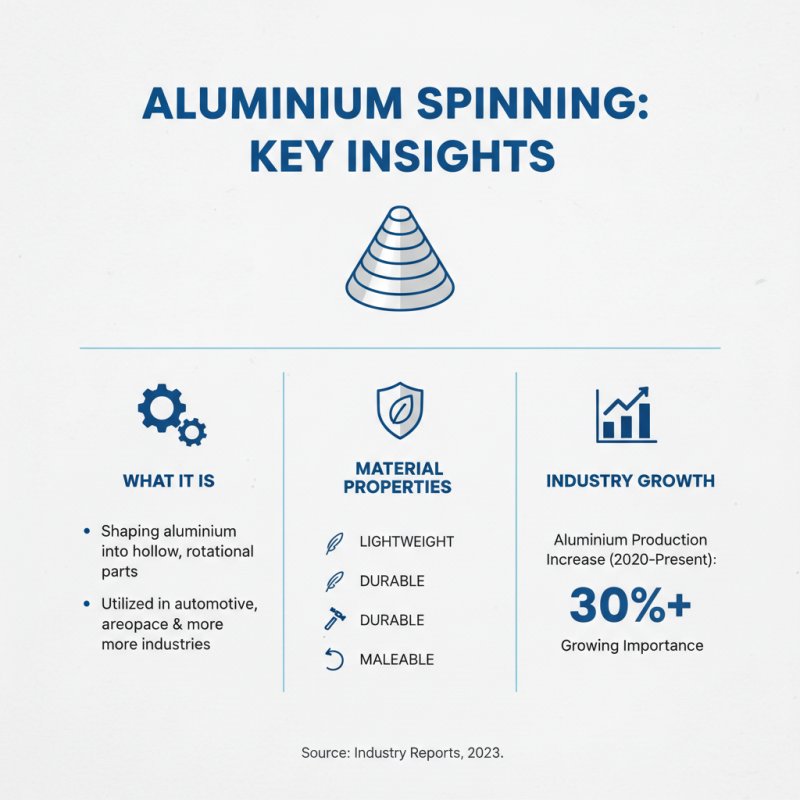
Aluminium spinning is a technique widely used in various industries, from automotive to aerospace. Mastering this skill is crucial for creating high-quality components. The key lies in understanding the material's properties. Aluminium is lightweight, durable, and malleable, which makes it an ideal choice. According to industry reports, aluminium production has increased by over 30% since 2020, reflecting its growing importance.
Developing proficiency in shaping and forming aluminium requires practice. Many beginners face challenges with uniform thickness. This issue can lead to wasted materials and increased costs. It's vital to ensure even pressure is applied during the spinning process. Improper techniques may result in defects or a compromised finished product. Review and refine your methods regularly to improve.
Efficiency in the spinning process can make a significant difference. While many artisans achieve remarkable results, there are always areas for improvement. Industry studies suggest that refining techniques can enhance productivity by nearly 25%. Experimenting with different speeds and tool materials can yield better outcomes. The quest for perfection in aluminium spinning necessitates reflection and adaptation over time.
Common Mistakes to Avoid When Spinning Aluminium
Aluminium spinning is a skilled craft. Many newcomers face challenges when learning this technique. A common mistake is inadequate preparation. Properly heating the aluminium can prevent cracking. Reports show that up to 30% of novice spinners experience defects due to improper heating.
Another frequent error involves tool choice. Using worn or incorrect tools can result in uneven shapes. According to industry data, about 25% of failures stem from misguided tool selection. Beginners should invest time in understanding tool specifications. This knowledge can greatly improve the final product.
Monitoring speed is crucial as well. Spinning too fast can lead to material distortion. In fact, nearly 35% of errors arise from high-speed spinning, causing rework and waste. Learning to control speed takes practice but pays off. Focused effort on these areas can enhance skill and efficiency in aluminium spinning.
10 Essential Tips for Mastering Aluminium Spinning Techniques - Common Mistakes to Avoid When Spinning Aluminium
| Tip Number |
Essential Tip |
Common Mistake |
| 1 |
Use Proper Tooling |
Using dull or incorrect tools |
| 2 |
Control Speed Accurately |
Inconsistent speed resulting in uneven spinning |
| 3 |
Maintain Material Temperature |
Overheating the metal |
| 4 |
Use Appropriate Lubricants |
Neglecting lubrication, leading to cracks |
| 5 |
Align Workpiece Correctly |
Misalignment causing uneven thickness |
| 6 |
Monitor Pressure Carefully |
Applying too much or too little pressure |
| 7 |
Develop a Steady Rhythm |
Erratic motion leading to flaws |
| 8 |
Regularly Inspect Equipment |
Ignoring equipment maintenance |
| 9 |
Practice Consistently |
Underestimating the value of practice |
| 10 |
Seek Feedback |
Avoiding constructive criticism |