- Home
- Machinery
- Metal Spinning Machines
- Flow Forming Machines
- Wheel Forming Machines
- Shear Forming Machines
- Necking-In / Closing Machines
- Rotary Forging Machines
- Pulley Forming Machines
- Trimming, Beading,… Machines
- Circular and Ring Shears
- Custom Machines and R&D
- Robotics, Loading & Unloading
- Upgrades – Used – Retrofits
- DENN Software / Technologies
- Machinery Technologies
- Applications & Industries
- Lubricants
- News & Updates
- Contact / Info / Service

Innovation and Experience in building metal spinning and flow forming machines - DENN
Innovation and Experience in building metal spinning and flow forming machines - DENN
Top 10 Factors to Consider When Choosing a Machine Shop
Choosing the right machine shop is crucial for successful projects. In an industry where precision and quality matter, the choice can significantly affect outcomes. According to the American Society of Mechanical Engineers, 70% of manufacturing issues stem from inadequate supplier selection. This highlights the importance of carefully evaluating machine shops before making a decision.
Factors like equipment capabilities, turnaround time, and workforce expertise all play a role. Reports show that shops with advanced CNC machinery can enhance production efficiency by up to 30%. Yet, not all shops invest equally in technology. It's essential to assess their technological edge. The industry also shows a growing emphasis on customer service and communication, with 65% of clients valuing responsiveness.
In the end, making a decision involves contemplation. What are your top priorities? Are you willing to compromise on certain aspects for better pricing? With a plethora of machine shops available, careful reflection on these factors can lead to more informed choices, ultimately impacting your project's success.
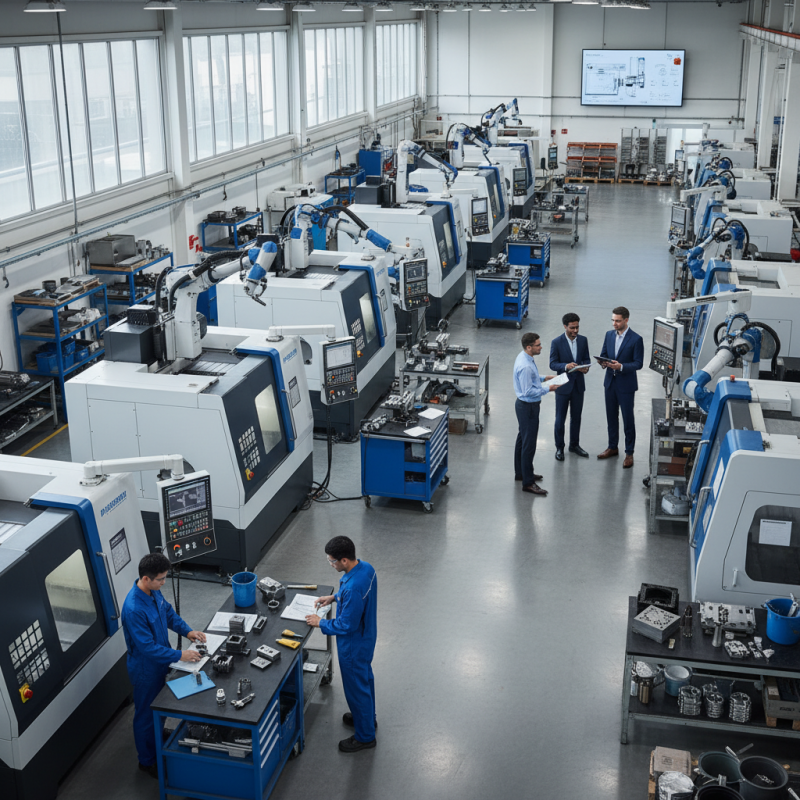
Table of Contents
[Hide]
Understanding the Machine Shop's Capabilities and Specializations
When choosing a machine shop, it’s crucial to understand their capabilities and specializations. A shop may excel in different areas, such as CNC machining, welding, or prototyping. Knowing these specialties can help you ensure they meet your precise needs. For example, if you need precision parts, a shop with extensive CNC experience would be ideal.
Evaluating a shop's past work is also important. Look for examples that align with your project requirements. Check if they have worked in your industry. This could affect their knowledge of materials and processes. A shop's equipment matters too. Outdated technology may limit their ability to deliver high-quality results.
Finally, consider their approach to customer service. Communication is key during a project. Make sure they listen to your concerns and provide feedback. A seamless dialogue can prevent issues down the road. Reflect on how their capabilities align with your vision. This will ensure you choose the right partner for your machining needs.
Top 10 Factors to Consider When Choosing a Machine Shop
| Factor | Description | Importance Level | Examples of Capabilities |
|---|---|---|---|
| Expertise and Specialization | Assess the shop's area of expertise and if it aligns with your project needs. | High | CNC Machining, Injection Molding |
| Equipment and Technology | Evaluate the quality and capabilities of the machines available. | High | 5-Axis Milling, Laser Cutting |
| Quality Control Processes | Look for certifications and procedures that ensure product quality. | High | ISO 9001, Six Sigma |
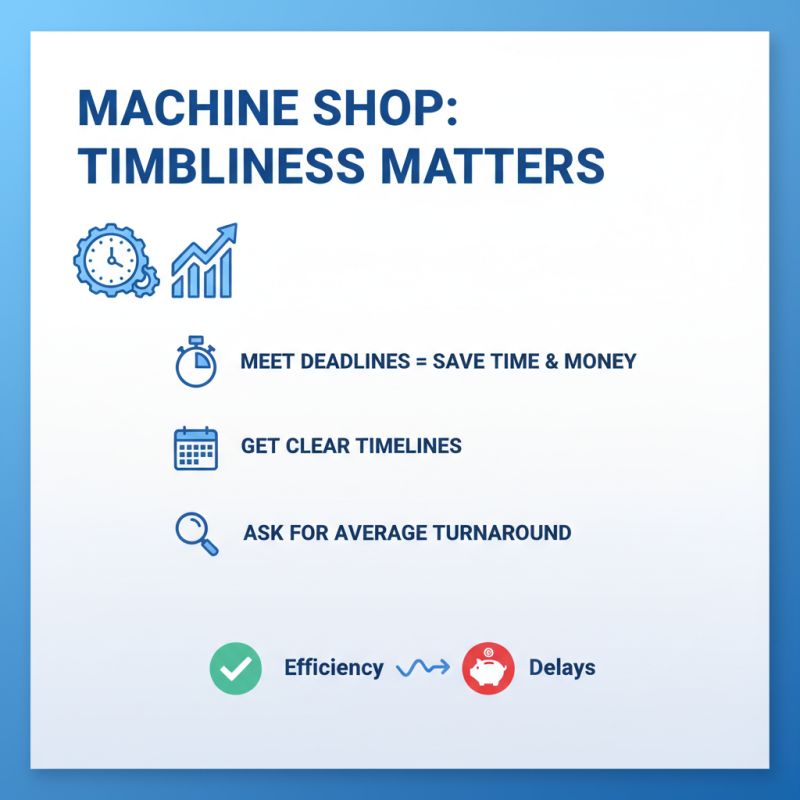
| Lead Times | Understand the shop's turnaround time for projects. | Medium | Standard vs. Rush Orders |
| Pricing Structure | Analyze pricing models and overall cost considerations. | Medium | Hourly Rate, Per-Project Pricing |
| Location | Consider proximity to reduce shipping costs and lead times. | Medium | Local vs. International |
| Previous Work and References | Check the shop's portfolio and client testimonials. | High | Past Projects, Case Studies |
| Customer Service and Support | Evaluate how responsive and helpful the staff are during inquiries. | Medium | Communication Channels, Responsiveness |
| Sustainability Practices | Look for environmentally friendly practices and materials used. | Low | Recycling Programs, Energy Efficient Machines |
Related Posts
-

Why Choose Metal Forming Inc for Your Manufacturing Needs
-
10 Essential Tips for Mastering Metal Flow Forming Techniques
-
The Essential Guide to Forming Metal: Techniques, Applications, and Market Insights in 2023
-
What is a Steel Forming Machine? A Comprehensive Guide to Understanding Its Uses and Benefits
-
What is a Pipe Forming Machine and How Does It Work in the Industry
-
Understanding the Roll Forming Process: Benefits and Applications Explained