- Home
- Machinery
- Metal Spinning Machines
- Flow Forming Machines
- Wheel Forming Machines
- Shear Forming Machines
- Necking-In / Closing Machines
- Rotary Forging Machines
- Pulley Forming Machines
- Trimming, Beading,… Machines
- Circular and Ring Shears
- Custom Machines and R&D
- Robotics, Loading & Unloading
- Upgrades – Used – Retrofits
- DENN Software / Technologies
- Machinery Technologies
- Applications & Industries
- Lubricants
- News & Updates
- Contact / Info / Service

Innovation and Experience in building metal spinning and flow forming machines - DENN
Innovation and Experience in building metal spinning and flow forming machines - DENN
How to Use Flow Forming for Enhanced Manufacturing Efficiency?
In today's competitive manufacturing landscape, enhancing efficiency is crucial. One method gaining significant attention is flow forming. According to a report by MarketsandMarkets, the global flow forming market is projected to grow from $1.5 billion in 2021 to $2.1 billion by 2026, highlighting its importance.
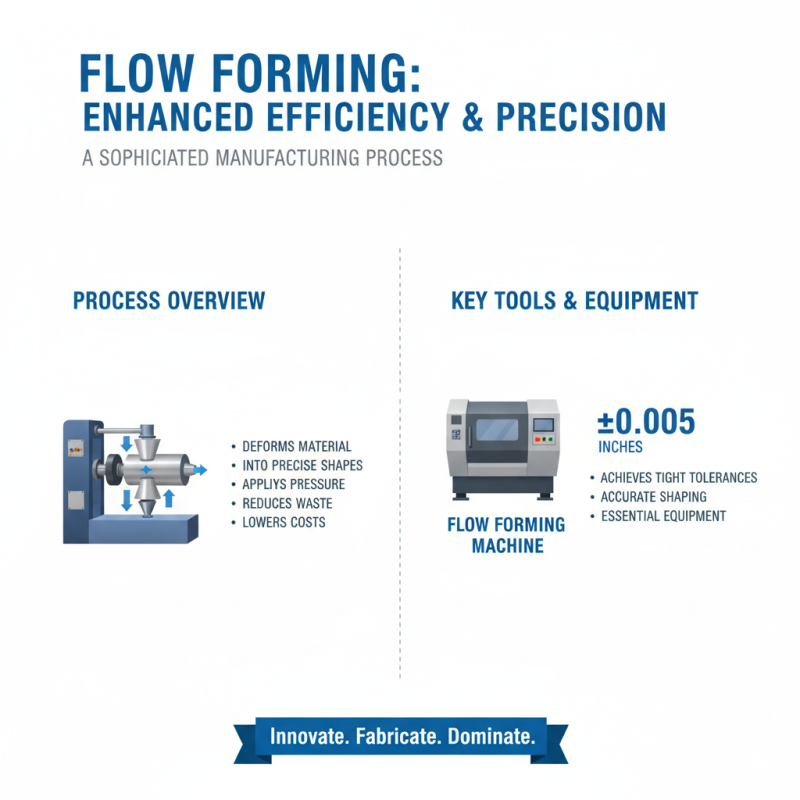
Flow forming involves shaping materials under pressure, resulting in products with superior strength and reduced waste. For instance, manufacturers can achieve tighter tolerances and ensure better material utilization. Companies that adopt flow forming often see productivity increases of over 30%, reflecting its potential.
Despite its advantages, the implementation of flow forming presents challenges. For instance, initial setup costs can be high. Additionally, operators need specialized training to maximize the process's benefits. Continuous improvement and adaptation are essential, as not every application succeeds at first. Evaluating the shortcomings of initial trials can lead to significant advancements in manufacturing efficiency.
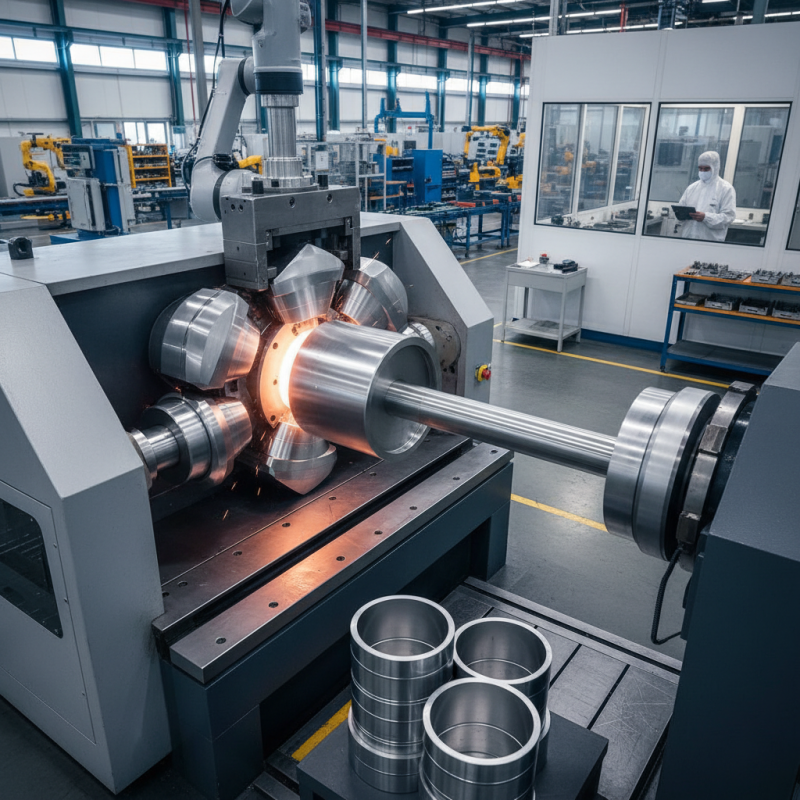
Table of Contents
[Hide]
Understanding Flow Forming: Principles and Techniques
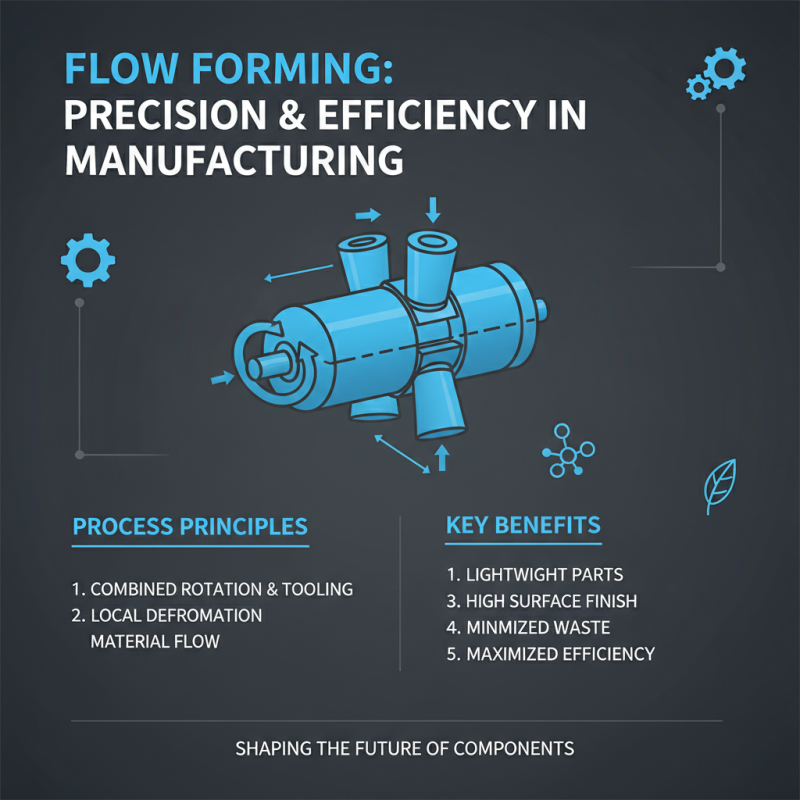
Flow forming is a manufacturing process that shapes materials through a combination of rotation and tooling. This method allows manufacturers to create precise and lightweight parts. The principles behind flow forming revolve around local deformation. It can produce high-strength components with a fine finish, minimizing waste and maximizing efficiency.
Many industries benefit from flow forming techniques. Aerospace, automotive, and energy sectors often utilize this method. It is particularly effective for producing tubular components. However, the process requires careful planning. Tool selection and material properties need to be studied deeply. Understanding the interaction between these factors is crucial for optimal results.
**Tips:** Always start with proper material selection. It influences the flow forming outcome significantly. Implementing feedback loops during production can highlight areas for improvement. Regular maintenance of tooling ensures consistent performance. Staying informed on industry advancements can help refine methods further. These considerations can elevate the standard of production but often require ongoing reflection.
Related Posts
-
10 Essential Tips for Optimizing Flow Forming Metal Techniques
-

How to Use Flow Forming Steel for Maximum Strength and Durability
-
Top Techniques for Denn Metal Spinning You Should Know?
-

Top Forging Machines to Watch for in 2025 and Their Industry Impact
-
The Essential Guide to Forming Metal: Techniques, Applications, and Market Insights in 2023
-
Top 10 Spin Forming Machines: How to Choose the Right One for Your Needs