Top Tips for Precision Metal Forming Techniques and Best Practices?
Precision metal forming is an essential technique in modern manufacturing. This process allows for the creation of complex shapes from metal sheets. The efficiency of this technique heavily relies on best practices and knowledge of specific methods.
To master precision metal forming, understanding the tools and materials is crucial. Each material has unique properties that affect how it can be molded. Using the right tools can significantly enhance precision and reduce waste. However, not every technique is suitable for all projects. It’s vital to assess the project requirements before selecting a method.
Mistakes can occur even with the best practices in place. Tools may wear down over time, affecting the quality of the formed metal. Regular maintenance and inspections are important to ensure optimal performance. Reflecting on past errors can lead to improvements and innovations in the process. Emphasizing learning from these instances is key to mastering precision metal forming.
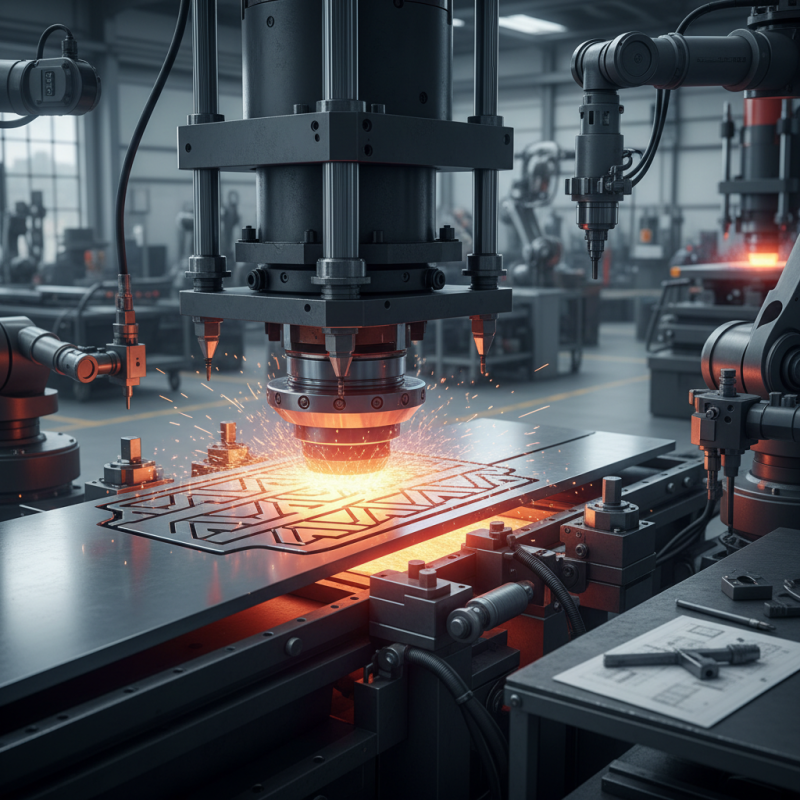
Overview of Precision Metal Forming Techniques
Precision metal forming techniques are vital in various manufacturing sectors. These methods shape metal into desired forms with high accuracy. Common techniques include stamping, bending, and deep drawing. Each has unique applications and benefits.
Stamping is widely used for creating complex parts. It can produce intricate designs quickly. Yet, the risk of material waste exists. Bending offers versatility in shaping. It can form angles and curves, but achieving consistent quality can be challenging. Deep drawing allows for the creation of deep, hollow shapes. However, it demands precise control to avoid defects.
Reflection on these techniques reveals areas for improvement. Operators need continuous training to minimize errors. Quality control measures must evolve to keep pace with technology. Embracing automation can enhance efficiency but requires upfront investment. Balancing innovation with traditional skills is essential for success.
Common Materials Used in Precision Metal Forming
Precision metal forming is essential in various industries. The materials used can greatly influence the final product's quality. Common materials include steel, aluminum, brass, and copper.
Steel is popular for its strength and durability. It is often used in automotive and aerospace applications.
Aluminum is lightweight and resistant to corrosion. It is suitable for complex shapes in consumer electronics and aerospace parts.
Brass offers excellent machinability and corrosion resistance. It's often used in plumbing and electrical components.
Copper, though more expensive, is favored for its electrical conductivity.
While these materials have benefits, challenges exist. For instance, forming steel can lead to cracking if not done correctly. Aluminum may warp under high temperatures. Each material requires careful consideration. This process demands precision and expertise. The right choice of material can enhance product performance but mistakes can be costly. It is crucial to understand each material's properties and limitations in precision metal forming.
Step-by-Step Process of Metal Forming Techniques
Metal forming techniques play a crucial role in the manufacturing industry. A precise and efficient process can significantly reduce costs and improve product quality. In 2022, the global market for metal forming reached approximately $300 billion, showing a steady growth trend. These techniques include forging, stamping, and bending. Each method has its own requirements and nuances.
The step-by-step process typically begins with material selection. Understanding the properties of different metals is essential. Next, design plays a critical role. Computer-Aided Design (CAD) enables precise modeling, but human error can still occur. Many manufacturers report that up to 15% of their initial designs require revision during prototyping. Following design, setting up the machinery accurately is vital. Inaccurate setups can lead to wasted materials. Studies indicate that poor setups can inflate production costs by up to 20%.
After setup, the forming process begins. Monitoring temperature and pressure is crucial. These factors can significantly affect the outcome. Companies often overlook this aspect, resulting in inconsistent product quality. Troubleshooting these setbacks can be challenging. However, maintaining an open line of communication among team members can lead to improved results. Quality checks throughout the process can prevent defects, ensuring product reliability.
Top Tips for Precision Metal Forming Techniques
This bar chart illustrates the efficiency of various precision metal forming techniques. Stamping and roll forming demonstrate the highest efficiency rates, while laser cutting shows lower efficiency comparatively.
Best Practices for Ensuring Accuracy in Metal Forming
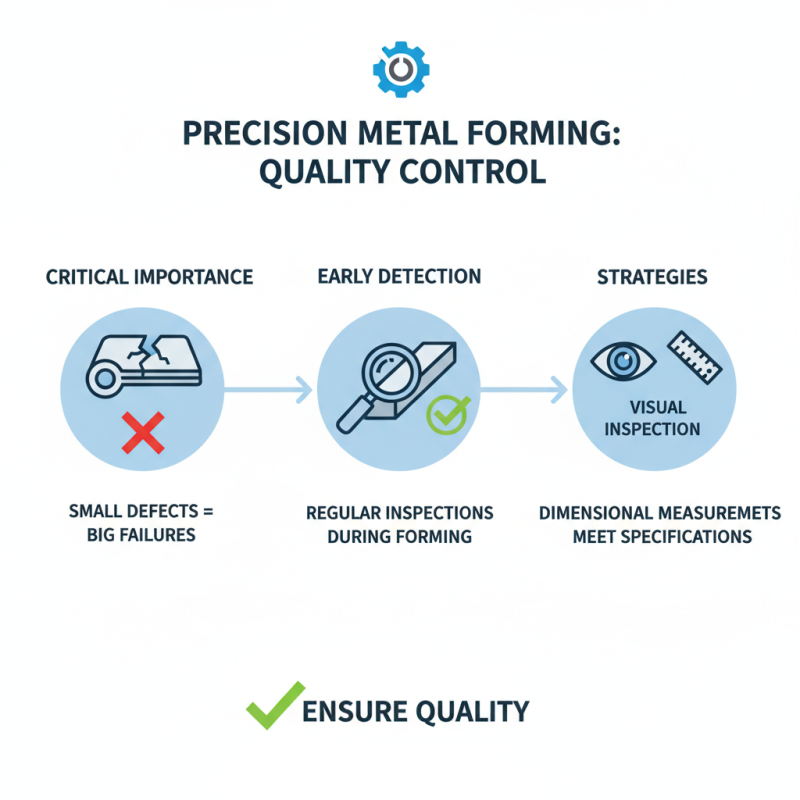
Achieving precision in metal forming requires careful planning and execution. Ensuring accuracy starts with the selection of materials. Using high-quality metals can prevent unexpected issues later. Regular inspections during the forming process are crucial. Small deviations may lead to larger problems in the final product.
Statistical process control is an effective method for maintaining quality. By analyzing data from production, potential flaws can be identified early. Training personnel on the equipment is vital too. Operators must understand how to handle machines properly. Issues can arise if they are not fully trained.
Attention to detail is essential. Simple actions, like cleaning tools frequently, can significantly impact outcomes. Feedback loops are important for continuous improvement. Sharing information about mistakes can guide future practices. But it takes courage to address imperfections openly. Embracing a culture of learning can lead to better results in the long run.
Top Tips for Precision Metal Forming Techniques and Best Practices
| Tip |
Description |
Best Practice |
| Material Selection |
Choose materials that are suitable for forming and will meet the durability requirements. |
Conduct thorough material testing to ensure compatibility and performance. |
| Die Design |
Ensure the dies are designed for precise control of the forming process. |
Utilize CAD software for accurate die modeling and simulation. |
| Process Control |
Monitor the process parameters closely during operations. |
Implement automation to reduce human error and improve precision. |
| Quality Checks |
Regularly inspect formed parts for dimensional accuracy. |
Adopt statistical process control techniques to evaluate quality. |
| Staff Training |
Provide adequate training to staff on equipment and processes. |
Regularly update training programs based on technological advancements. |