- Home
- Machinery
- Metal Spinning Machines
- Flow Forming Machines
- Wheel Forming Machines
- Shear Forming Machines
- Necking-In / Closing Machines
- Rotary Forging Machines
- Pulley Forming Machines
- Trimming, Beading,… Machines
- Circular and Ring Shears
- Custom Machines and R&D
- Robotics, Loading & Unloading
- Upgrades – Used – Retrofits
- DENN Software / Technologies
- Machinery Technologies
- Applications & Industries
- Lubricants
- News & Updates
- Contact / Info / Service

Innovation and Experience in building metal spinning and flow forming machines - DENN
Innovation and Experience in building metal spinning and flow forming machines - DENN
What is Roll Forming Equipment and How Does it Work?
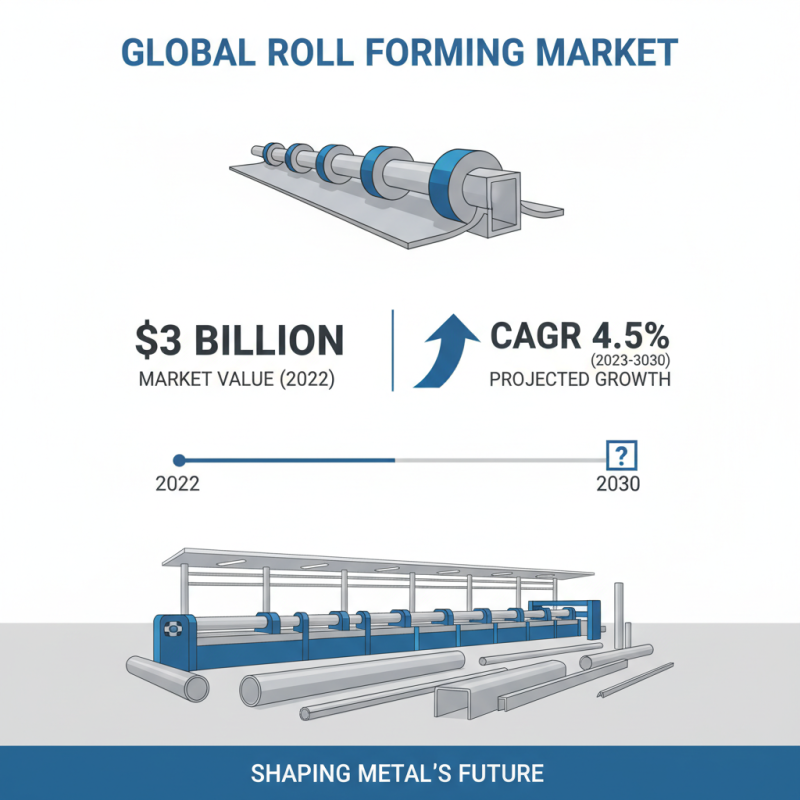
Roll forming equipment plays a critical role in the metalworking industry. It is designed to shape metal sheets into desired profiles continuously. This process is essential in various sectors, from construction to automotive. Recent data shows that the roll forming market is projected to reach $5 billion by 2025, highlighting its growing importance.
Industry expert John Smith emphasizes the efficiency of roll forming, stating, "This method reduces waste and increases productivity." These machines can produce complex shapes with high precision and low material usage. However, there are challenges to consider. The initial setup costs can be significant, and understanding the right tooling is crucial for optimal results.
The technology behind roll forming has evolved. Continuous improvements enhance speed and adaptability. Yet, companies must evaluate their specific needs carefully. Not every setup works perfectly the first time. Continuous learning and adjustments are part of the process to achieve success with roll forming equipment.
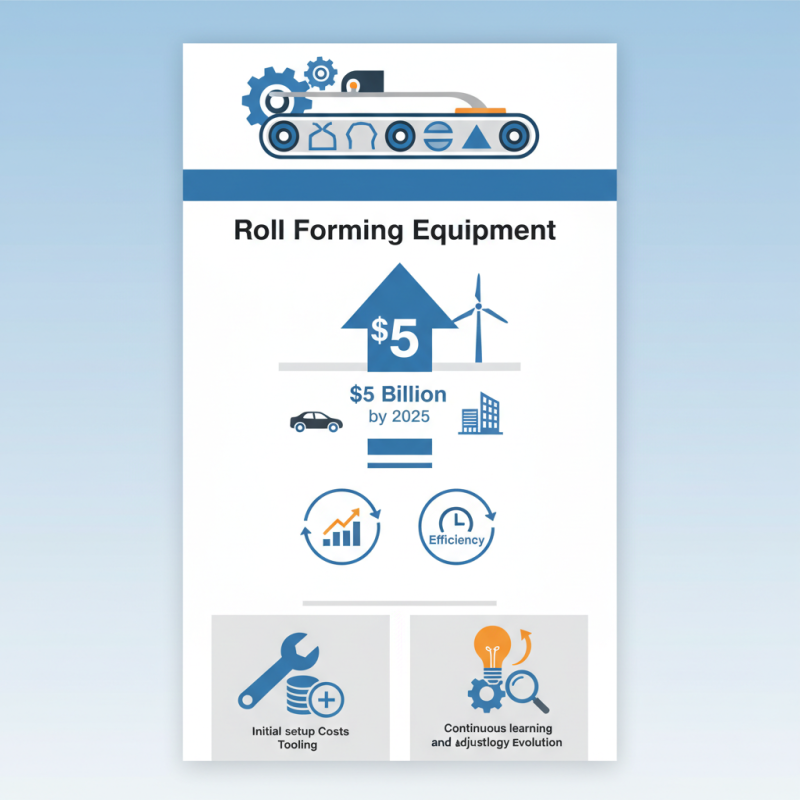
Table of Contents
[Hide]
What is Roll Forming Equipment?
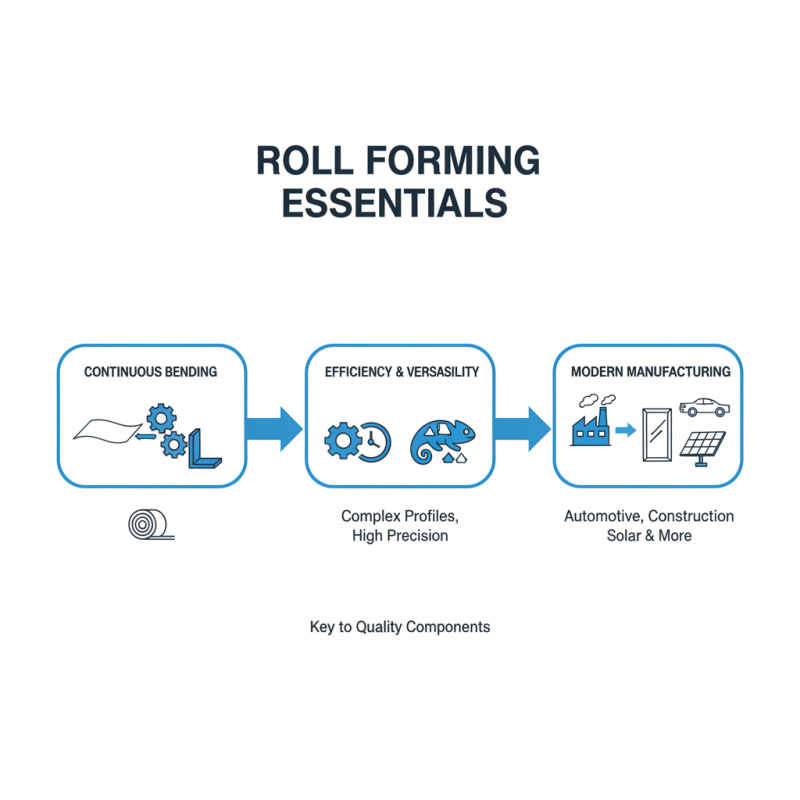
Roll forming equipment is a specialized machine used to shape metal. It transforms flat metal sheets into desired shapes using a sequence of rollers. This process is efficient and allows for high production rates.
During roll forming, metal passes through multiple sets of rollers. Each roller gradually bends the metal to the final profile. The equipment can create complex shapes and lengths with precision. Operators must ensure the metal is fed correctly to avoid waste.
**Tip:** Consistent testing of the metal can help identify issues early. Quality checks during the process are crucial.
Common materials used include steel and aluminum. These materials are often chosen for their strength and durability. However, users sometimes overlook the importance of the right gauge thickness. Too thin may lead to weakness, while too thick can be challenging to work with.
**Tip:** Pay attention to your raw material specifications. This can save you time and effort later in production.
Operators must also monitor the equipment regularly. Any misalignment can cause defects. Frequent maintenance can enhance longevity and performance. Remember, the smallest oversight might lead to larger issues.
Roll Forming Equipment Details
| Parameter | Description |
|---|---|
| Type of Equipment | Continuous Roll Forming Machine |
| Material Types | Steel, Aluminium, Copper |
| Typical Applications | Roofing, Wall Panels, Structural Components |
| Production Speed | Up to 30 meters per minute |
| Working Thickness | 0.5 mm - 5 mm |
| Power Consumption | Approx. 10 kW |
| Control System | PLC with touch screen interface |
| Setup Time | Approximately 30 minutes |
Related Posts
-

2025 Top 5 Pipe Roll Forming Machines You Need to Know
-
Why Choose a Steel Roll Former for Your Manufacturing Needs?
-
10 Essential Tips for Optimizing Flow Forming Metal Techniques
-
2026 How to Choose the Right Industrial Machinery for Your Business?
-
How to Use a Metal Spinning Lathe for Precision Manufacturing?
-
What is Metal Machining Equipment and How Does It Work?